Dioctylpyrocatechol → Catechol
Reaction equation

[CH2:1]([C:9]1[C:10](CCCCCCCC)=[C:11]([OH:16])[C:12](=[CH:14][CH:15]=1)[OH:13])[CH2:2][CH2:3][CH2:4][CH2:5][CH2:6][CH2:7]C>CCCCC(COP(OCC(CCCC)CC)(O)=O)CC.[Cu]>[CH2:9]=[CH:1][CH2:2][CH2:3][CH2:4][CH2:5][CH2:6][CH3:7].[C:12]1([C:11](=[CH:10][CH:9]=[CH:15][CH:14]=1)[OH:16])[OH:13]Participants
5
Reactant 1

Product 2

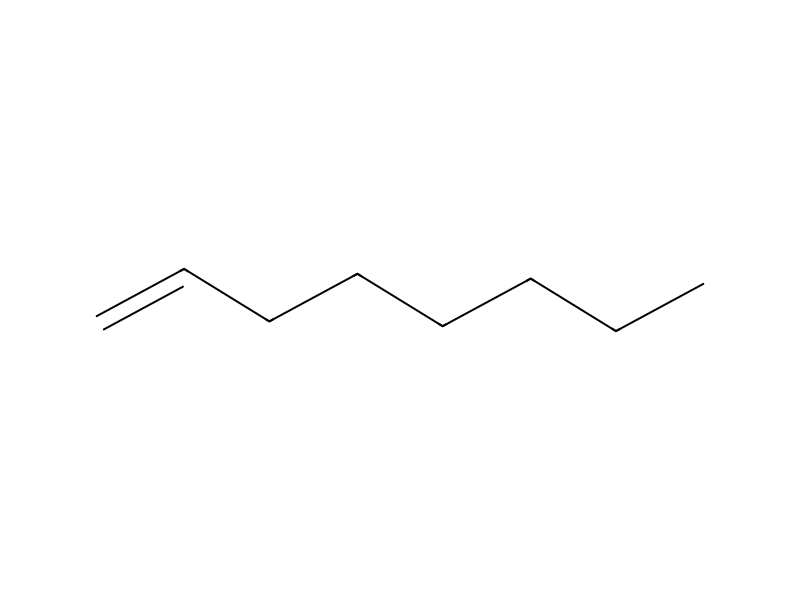
Reagents, catalysts & solvents 2


Procedure
In the same way as the previous example, 100 ml of a copper solution was contacted with a 0.3M solution of dioctylpyrocatechol (100 ml) in ESCAID 100, obtained from the reaction of an excess of 1-octene with pyrocatechol.
Sources & evidence
- ORD record
- ord-159794877bcf4e21a4fa6aaa52787ce2
- Source dataset
- uspto-grants-1987_10
- Patent number
- US04701311
Reaction notes
Loading…