Reaction equation

[Na][Na].O[CH:4]=[C:5]([C:17]1[CH:22]=[CH:21][CH:20]=[CH:19][CH:18]=1)[C:6](=[O:16])[C:7]([C:10]1[CH:15]=[CH:14][CH:13]=[CH:12][CH:11]=1)=[CH:8]O.C1(CC(=O)CC2C=CC=CC=2)C=CC=CC=1.C(OCC)=O.C[O-].[Na+].CC(=O)C=C=C.C1(C2C(=O)C(C3C=CC=CC=3)=COC=2)C=CC=CC=1.O1C=CC=CC1=O.C([O-])(=O)C.[NH4+:83]>>[C:17]1([C:5]2[C:6](=[O:16])[C:7]([C:10]3[CH:15]=[CH:14][CH:13]=[CH:12][CH:11]=3)=[CH:8][NH:83][CH:4]=2)[CH:22]=[CH:21][CH:20]=[CH:19][CH:18]=1Participants
10
Reactant 9
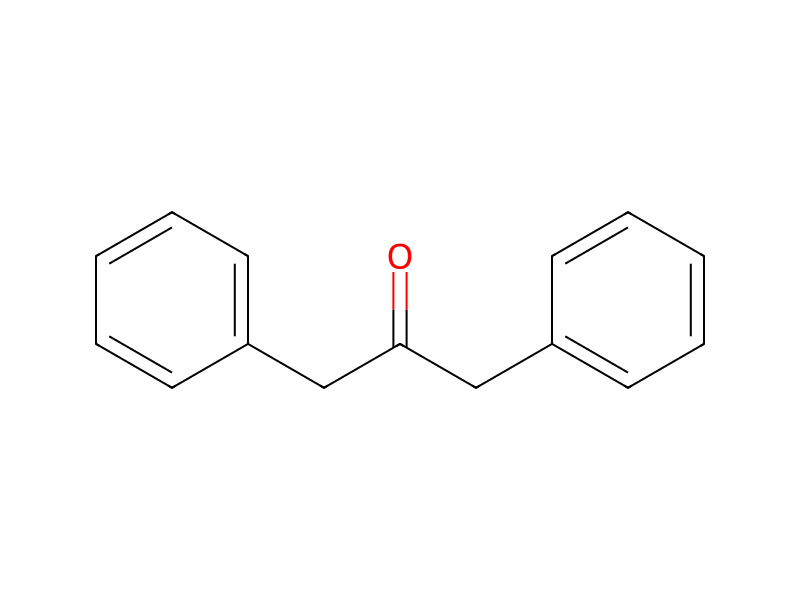
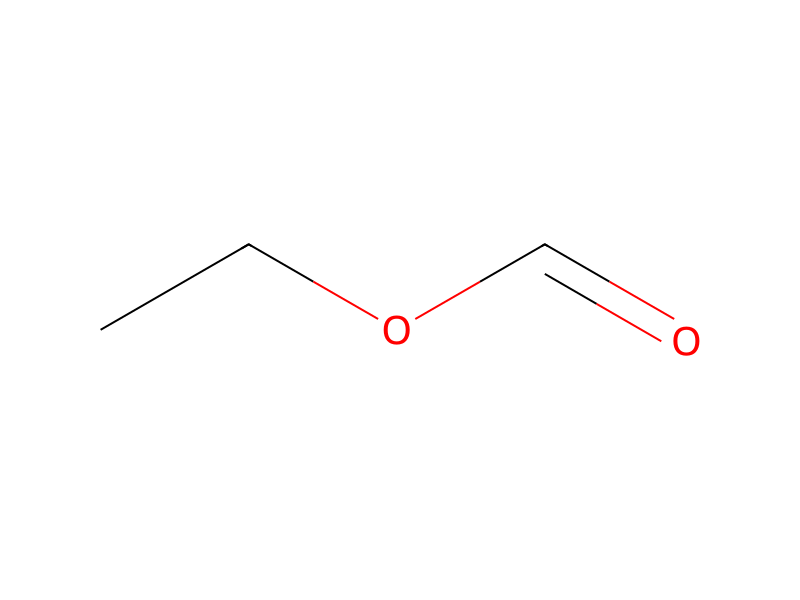
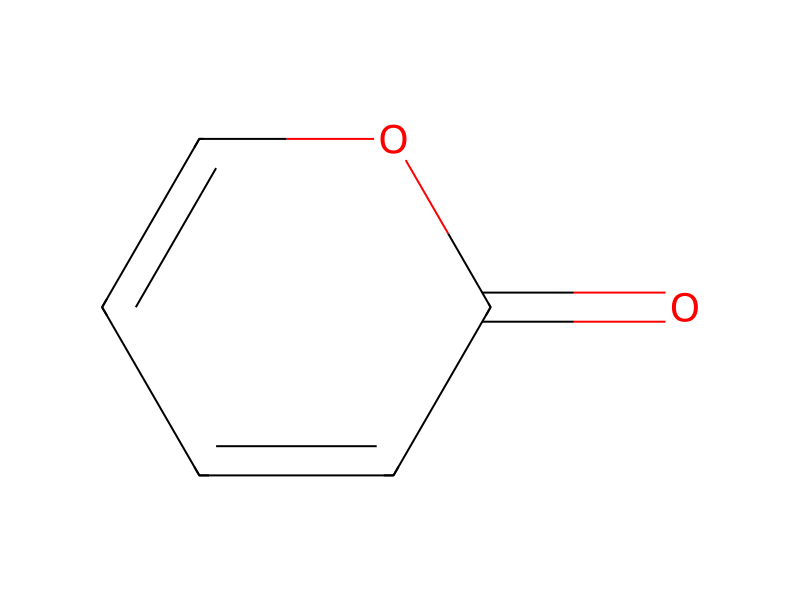






Product 1

Procedure
The compounds of this invention can be prepared by various synthetic routes. Benary and Bitter, Ber. 61, 1058 (1928) taught the synthesis of an intermediate disodium salt of 1,5-dihydroxy-2,4-diphenyl-1,4-pentadien-3-one by the condensation of 1,3-diphenyl-2-propanone with ethyl formate in the presence of sodium methoxide. The intermediate pentadienone is neutralized by strong acid and forms 3,5-diphenyl-4-pyrone. Reaction of the pyrone with ammonium acetate at an elevated temperature produces 3,5-diphenyl-4(1H)-pyridone.
Workup
- customThe compounds of this invention can be prepared by various synthetic routes
Sources & evidence
- ORD record
- ord-4b6acbf9a2b94c81a270b9f9ecf40673
- Source dataset
- uspto-grants-1979_05
- Patent number
- US04152136
Linked notes
Loading…