Reaction equation

F[C:2]1[CH:9]=[CH:8][C:5]([CH:6]=[O:7])=[CH:4][CH:3]=1.[Cl:10][C:11]1[CH:12]=[C:13]([OH:18])[CH:14]=[C:15]([CH:17]=1)[OH:16].[C:19](=[O:22])([O-])[O-].[K+].[K+].CS(C)=O>C(OCC)(=O)C.O>[CH:6]([C:5]1[CH:8]=[CH:9][C:2]([O:16][C:15]2[CH:17]=[C:11]([Cl:10])[CH:12]=[C:13]([O:18][C:2]3[CH:9]=[CH:8][C:5]([CH:19]=[O:22])=[CH:4][CH:3]=3)[CH:14]=2)=[CH:3][CH:4]=1)=[O:7]Participants
7






Conditions
- Temperature
- 100 °C
Procedure
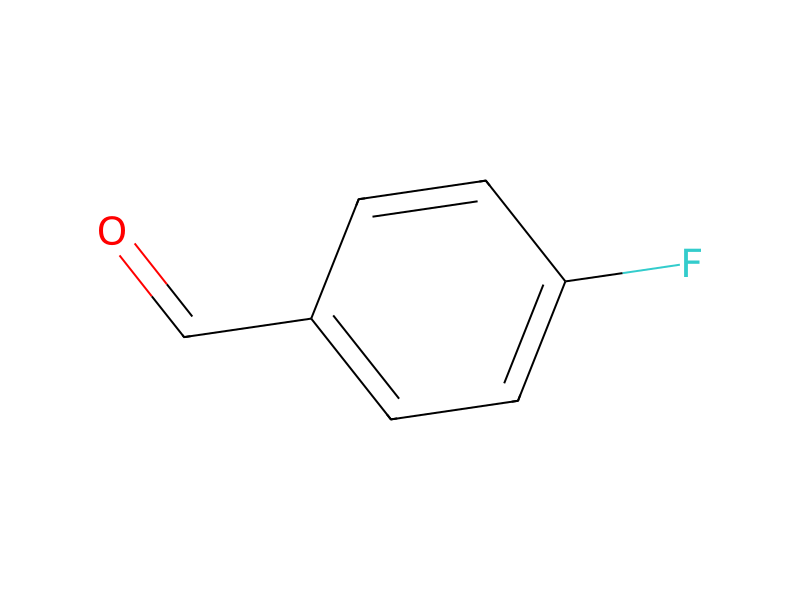
p-Fluorobenzaldehyde (7.7 g), 5.9 g of 5-chlororesorcinol and 12.3 g of anhydrous potassium carbonate were added to 50 ml of dimethyl sulfoxide and stirred for 12 hours at 100° C. After completion of the reaction, 100 ml of water and 200 ml of ethyl acetate were added to carry out phase separation. After three times of washing with 50 ml of 10% sodium chloride aqueous solution and subsequent drying over anhydrous magnesium sulfate, the solvent was evaporated. The resulting oily material was subjected to silica gel column chromatography (hexane:ethyl acetate (7:1)) to obtain 3.5 g of 1,3-bis(4-formylphenoxy)-5-chlorobenzene.
Workup
- additionwere added
- customphase separation
- washAfter three times of washing with 50 ml of 10% sodium chloride aqueous solution
- dry with materialsubsequent drying over anhydrous magnesium sulfate
- customthe solvent was evaporated
Sources & evidence
- ORD record
- ord-e01cc9ccd90348c2825383fc5f394d19
- Source dataset
- uspto-grants-1997_07
- Patent number
- US05643931
Linked notes
Loading…