Reaction equation

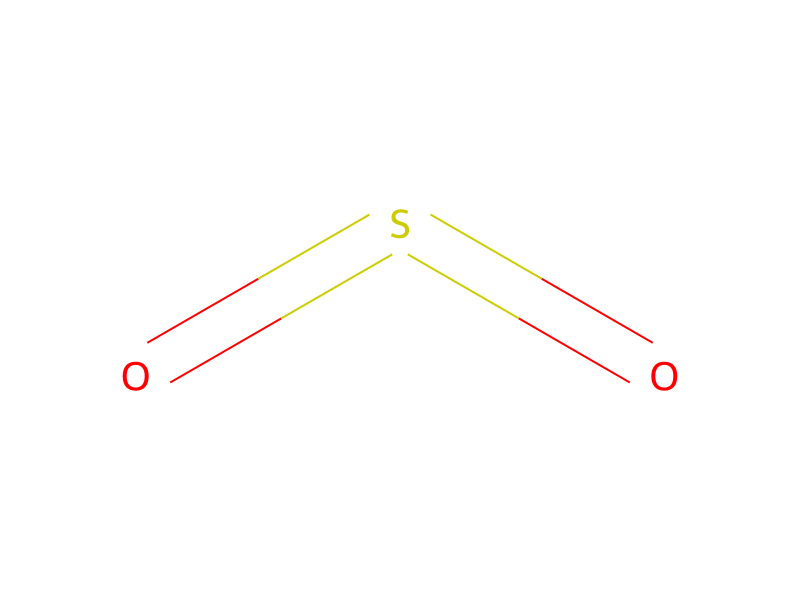
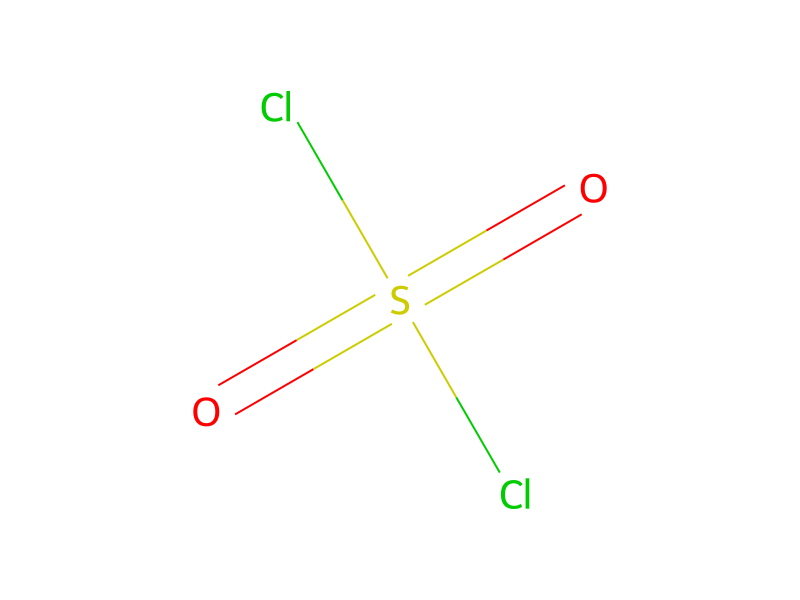
C[C:2]1[CH:12]=[CH:11][CH:10]=[C:9]2[C:3]=1[C:4](=[O:13])[NH:5][S:6]2(=[O:8])=[O:7].[Cl:14]C1C=CC=C(N)C=1C(OC)=O.N([O-])=O.[Na+].S(=O)=O.S(Cl)(Cl)(=O)=O.[OH-].[NH4+]>C(O)(=O)C.Cl.O>[Cl:14][C:2]1[CH:12]=[CH:11][CH:10]=[C:9]2[C:3]=1[C:4](=[O:13])[NH:5][S:6]2(=[O:8])=[O:7]Participants
Reactant 6




Product 1

Reagents, catalysts & solvents 3



Procedure
4-Chlorosaccharin was prepared by the same method as used for preparing 4-methylsaccharin using methyl 6-chloro-anthranilate (4.22 g; 22.7 mmol) in acetic acid (22 ml) and conc. HCl (40 ml) and sodium nitrite (1.68 g; 24.3 mmol) in water (7 ml) to prepare the diazonium salt which was added to cupric chloride dihydrate (1.93 g; 11.4 mmol; 0.5 equiv.) and sulfur dioxide (6.5 g; excess) in acetic acid (30 ml)/water (5 ml). The resulting sulfonyl chloride was treated with ammonium hydroxide (150 ml) as previously described to afford 3.07 g (62%) of 4-chlorosaccharin as a pale yellow solid, mp 245°-246° C. 1H nmr (300 MHz, CD3CN): 7.918 (1H, dd, J=7.39, 1.91 Hz); 7.865 (1H, t, J-7.52 Hz); 7.829 (1H, br d, J=7.30 Hz). IR (KBr, CM1): 3570 (s); 3520 (s); 2950 (s,b); 1735 (s); 1630 (m). FDMS: m/e 217 (M+).
Workup
- custom4-Chlorosaccharin was prepared by the same method
Sources & evidence
- ORD record
- ord-d9379b30933d4427956c059762150bdc
- Source dataset
- uspto-grants-1997_07
- Patent number
- US05650422
Linked notes
Loading…