Reaction equation

[C:1]1([C:3](=[CH:5][CH:6]=[CH:7][CH:8]=1)[OH:4])[OH:2].Cl[CH2:10][C:11]#[N:12].C(=O)([O-])[O-].[K+].[K+].CC(C)=O>[OH-].[Na+]>[OH:2][C:1]1[CH:8]=[CH:7][CH:6]=[CH:5][C:3]=1[O:4][CH2:10][C:11]#[N:12]Participants
Reactant 4


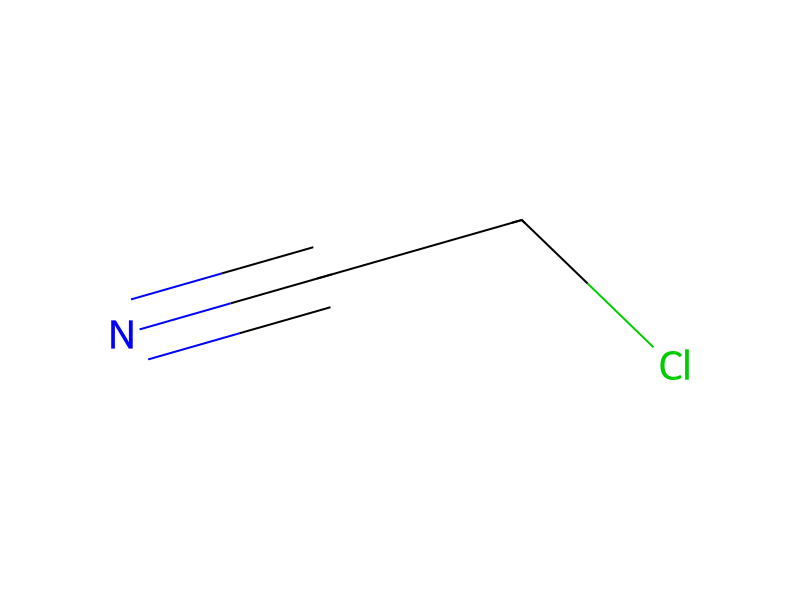

Product 1

Reagents, catalysts & solvents 1

Procedure
A mixture of catechol (11 g., 0.1 mole), chloroacetonitrile (5.3 g., 0.07 mole), finely powdered potassium carbonate (11.1 g., 0.08 mole) and acetone (75 ml.) is refluxed with stirring for 2 hours. The mixture then is treated with chloroacetonitrile (3.8 g., 0.05 mole) and potassium carbonate (7.6 g., 0.055 mole) and refluxed for 4 hours. The mixture is filtered, the solids washed with more acetone and the combined filtrate evaporated in vacuo to give an oil. The oil is dissolved in dilute sodium hydroxide solution, extracted with ether to remove 1,2-dicyanomethoxybenzene and the alkali solution acidified and extracted with ether. The extract is evaporated to dryness and the residue distilled in vacuo to give 2-(2-hydroxyphenoxy)acetonitrile.
Workup
- temperatureis refluxed
- temperaturerefluxed for 4 hours
- filtrationThe mixture is filtered
- washthe solids washed with more acetone
- customthe combined filtrate evaporated in vacuo
- customto give an oil
- extractionextracted with ether
- customto remove 1,2-dicyanomethoxybenzene
- extractionextracted with ether
- customThe extract is evaporated to dryness
- distillationthe residue distilled in vacuo
Sources & evidence
- ORD record
- ord-5d2dd9026d9f46e4b620291df65eff2a
- Source dataset
- uspto-grants-1976_03
- Patent number
- US03944560
Linked notes
Loading…