Reaction equation

[CH3:1][CH:2]1[CH2:6][S:5][CH:4]([C:7]([O:9][CH3:10])=[O:8])[C:3]1=O.[CH3:12][CH:13]([CH2:24][CH2:25][CH2:26][CH2:27][CH3:28])[CH:14]([C:16]1[CH:17]=C(O)[CH:19]=[C:20]([CH:22]=1)[OH:21])[CH3:15].P(Cl)(Cl)(Cl)=O.C1(C=CC=C(O)C=1)O>C1C=CC=CC=1>[OH:21][C:20]1[C:19]2[C:3]3[CH:2]([CH3:1])[CH2:6][S:5][C:4]=3[C:7](=[O:8])[O:9][C:10]=2[CH:17]=[C:16]([CH:14]([CH:13]([CH3:12])[CH2:24][CH2:25][CH2:26][CH2:27][CH3:28])[CH3:15])[CH:22]=1Participants
6
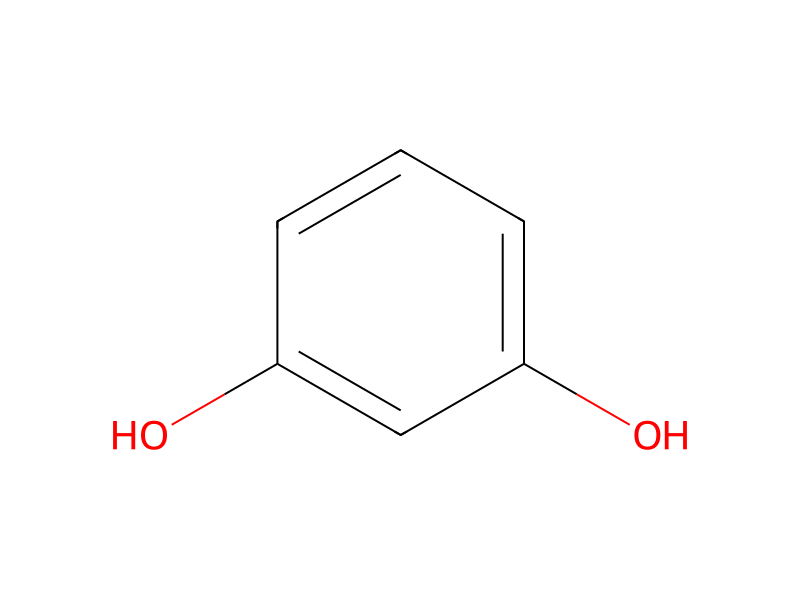
Reactant 4



Product 1

Reagents, catalysts & solvents 1

Procedure
A solution in dry benzene of equimolar amounts of methyl 4-methyl-3-oxo-tetrahydrothiophene-2-carboxylate and 5-(3-methyl-2-octyl) resorcinol plus phosphorous oxychloride (5 ml. of benzene/g. of the resorcinol) was warmed for 13 days at 35°-37°C. in an oil bath. Most of the benzene and HCl were removed at reduced pressure, and the dark tarry residue was stirred with ether and water until solution was complete. The ether layer was washed successively with dilute solutions of sodium bicarbonate, sodium hydroxide and sodium carbonate, then with water and saturated sodium chloride. Drying and concentrating the final organic solution left a friable brick-red foamy solid.
Workup
- customMost of the benzene and HCl were removed at reduced pressure
- washThe ether layer was washed successively with dilute solutions of sodium bicarbonate, sodium hydroxide and sodium carbonate
- customDrying
- concentrationconcentrating the final organic solution
- waitleft a friable brick-red foamy solid
Sources & evidence
- ORD record
- ord-a079d58fdd594ec28413d3cb891bd874
- Source dataset
- uspto-grants-1976_03
- Patent number
- US03946111
Linked notes
Loading…