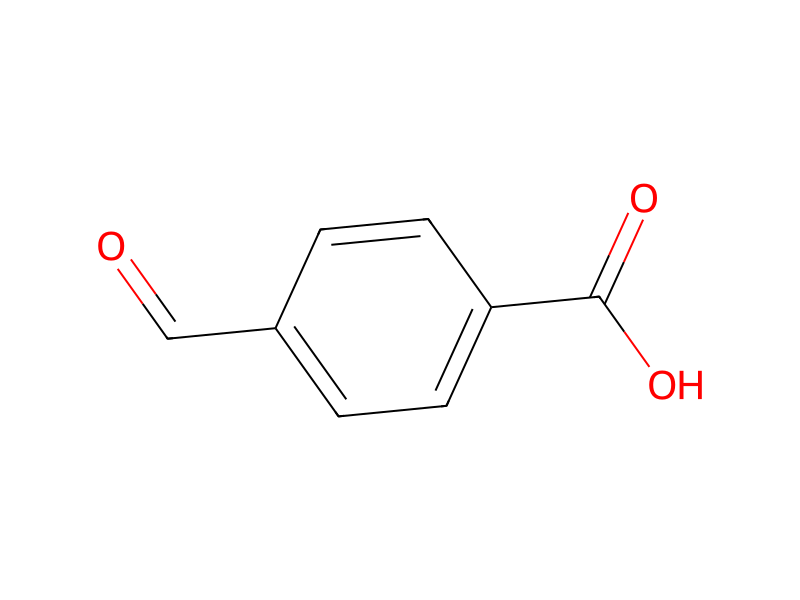
A suspension of 4-formyl-benzoic acid (10.0 g, 67 mmol) in methanol (100 ml) is treated sequentially with 1-methylpiperazine (7.3 g, 73 mmol) and platinum (5%) on sulfided carbon (1 g). The resulting suspension is then heated at 80° C. and is subjected to a pressure of 5 bar of hydrogen for a period of 20 hrs until the hydrogen uptake is complete. The reaction mixture is cooled to room temperature and filtrated over a pad of Celite. Water (20 ml) is used to rinse the reactor and dissolve the fraction of 4-(4-methyl-piperazin-1-ylmethyl)-benzoic acid that crystallizes on the walls during the cooling of the reaction mixture. The resulting aqueous solution is filtrated over the pad of Celite employed previously. The combined filtrates are concentrated in vacuo and crystallized In EtOH/H2O 9:1 v/v to give 10.9 g (70%) of 4-(4-methyl-piperazin-1-ylmethyl)-benzoic acid as colorless crystals.