HomeMCPWorkbenchSkills
HomeWorkbenchNotificationsMe
llms.txt · MCP GuidePrivacy Policy · Terms of Service · Supportv1.8.3
  1. Home
  2. /Reaction

Hydrochloric Acid → 9-Benzyl-8-ethyl-6-(2,4,6-trimethylphenyl)purine

HRID 278929
Print

Reaction equation

HRID 278929 reaction equation
[C:1]1([CH3:11])[CH:6]=[C:5]([CH3:7])[CH:4]=[C:3]([CH3:8])[C:2]=1[Mg]Br.[H-].C([Al+]C[CH:19]([CH3:21])[CH3:20])C(C)C.[Cl-].[C:23]1([CH3:32])[CH:28]=[C:27](C)[CH:26]=[C:25](C)[C:24]=1[Zn+].Cl[C:34]1[N:42]=[C:41]2[C:37]([NH:38]C=[N:40]2)=[CH:36][N:35]=1.Cl>C(OCC)C.O1CCCC1.CCCCCC.[Cl-].[Zn+2].[Cl-].Cl[Pd](Cl)([P](C1C=CC=CC=1)(C1C=CC=CC=1)C1C=CC=CC=1)[P](C1C=CC=CC=1)(C1C=CC=CC=1)C1C=CC=CC=1.O>[CH2:32]([N:40]1[C:21]([CH2:19][CH3:20])=[N:38][C:37]2[C:41]1=[N:42][CH:34]=[N:35][C:36]=2[C:2]1[C:3]([CH3:8])=[CH:4][C:5]([CH3:7])=[CH:6][C:1]=1[CH3:11])[C:23]1[CH:24]=[CH:25][CH:26]=[CH:27][CH:28]=1
ParticipantsProcedureWorkupSources & evidenceReaction notes

Participants

12

Reactant 5

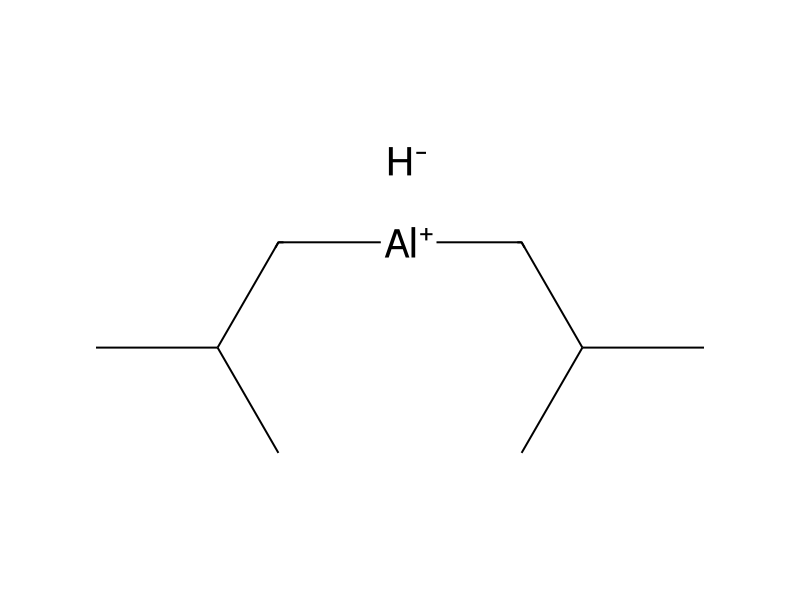
HCID 313Hydrochloric AcidHCID 5193142-chloro-7H-purineHCID 21225700DiisobutylaluminumhydrideHCID 178425415HCID 178425415, compoundHCID 178426000HCID 178426000, compound

Product 1

HCID 180014359-Benzyl-8-ethyl-6-(2,4,6-trimethylphenyl)purine
Yield 72%

Reagents, catalysts & solvents 6

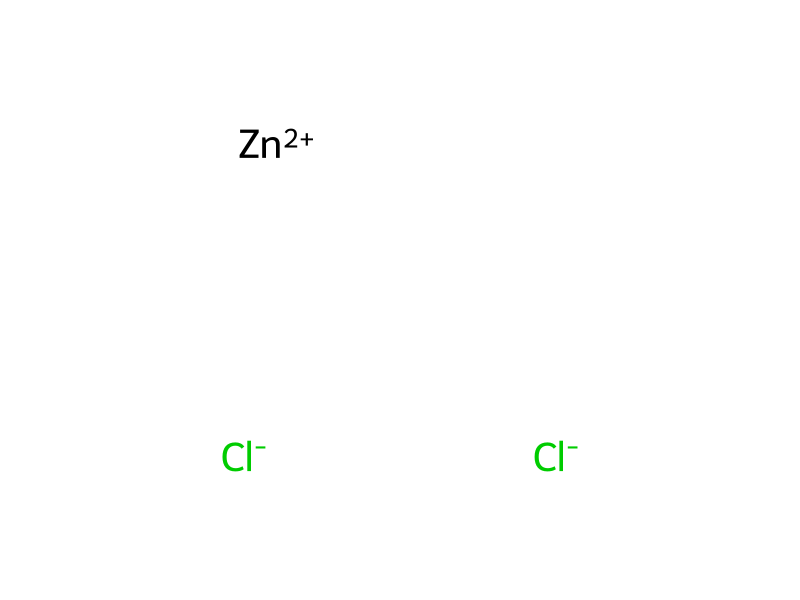
HCID 3007855SinkkikloridiCatalystHCID 178418476HCID 178418476, compoundCatalystHCID 962WaterSolventHCID 3283Diethyl EtherSolventHCID 8028TetrahydrofuranSolvent3×HCID 8058HexaneSolvent

Procedure

Part D. A solution of zinc chloride (5.32 g, 39.1 mmol) in anhydrous, freshly-distilled tetrahydrofuran (50 mL) was treated at ambient temperature with a solution of mesitylmagnesium bromide (39.1 mL, 1.0 M, 39.1 mmol) in diethyl ether. After 45 minutes, a separate flask containing a solution of bis(triphenylphosphine)-palladium dichloride (0.92 g, 1.3 mmol) in tetrahydrofuran (30 mL) was treated with a solution of diisobutylaluminum hydride (2.6 mL, 1.0 M, 2.6 mmol) in hexane. This mixture was allowed to stir for 15 minutes, then treated with the mesitylzinc chloride solution dropwise by cannula. Then, the chloropurine compound in 10 mL tetrahydrofuran solution was added by syringe, and the mixture was allowed to stir for 12 hours at ambient temperature. It was poured into water (150 mL), and acidified with dropwise addition of 1 N aqueous hydrochloric acid until the mixture is homogeneous. This is extracted with ethyl acetate (2×150 mL), and the extracts were washed in sequence with saturated brine solution (100 mL), combined, dried over anhydrous sodium sulfate, filtered and evaporated. The residue was separated by column chromatography (silica gel, 30:70 ethyl acetate-hexane) to afford the product, 9-benzyl-8-ethyl-6-(2,4,6-trimethylphenyl)purine (6.68 g, 18.7 mmol, 72%), as an off-white waxy solid, m.p. 121-122° C. 1H NMR (300 MHz, CDCl3): d 9.00 (1H, s), 7.38-7.31 (3H, m), 7.23-7.21 (2H, m), 6.96 (2H, s), 5.50 (2H, s), 2.84 (2H, q, J=7.6 Hz), 2.33 (3H, s), 2.06 (6H, s), 1.26 (3H, t, J=7.5 Hz). MS (NH3-CI): m/e 359 (3), 358 (26), 357 (100).


Workup

  1. stirringto stir for 12 hours at ambient temperature
  2. extractionThis is extracted with ethyl acetate (2×150 mL)
  3. washthe extracts were washed in sequence with saturated brine solution (100 mL)
  4. dry with materialdried over anhydrous sodium sulfate
  5. filtrationfiltered
  6. customevaporated
  7. customThe residue was separated by column chromatography (silica gel, 30:70 ethyl acetate-hexane)

Sources & evidence

ORD record
ord-24d8296e01d942dea7992e245b764024
Source dataset
uspto-grants-2002_03
DOI
10.6084/m9.figshare.5104873.v1
Patent number
US06362180B1

Reaction notes

On this pageParticipantsProcedureWorkupSources & evidenceReaction notes