Reaction equation

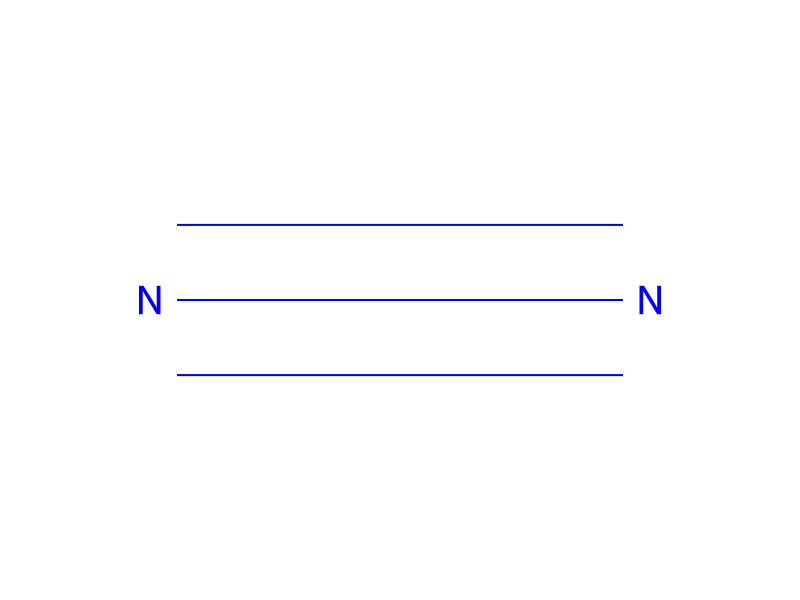
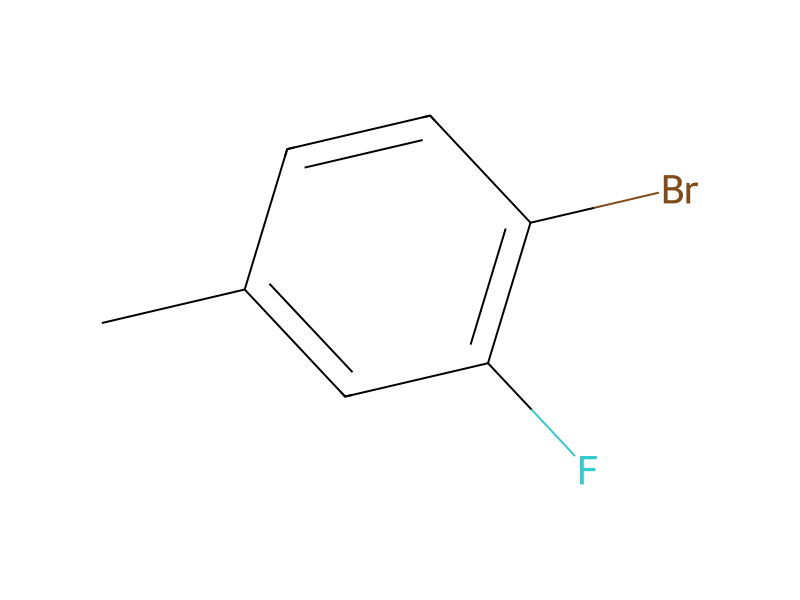
N#N.Br[C:4]1[CH:9]=[CH:8][C:7]([CH3:10])=[CH:6][C:5]=1[F:11].C([Li])CCC.C([O:19][B:20](OCC)[O:21]CC)C>CCCCCC.O1CCCC1>[F:11][C:5]1[CH:6]=[C:7]([CH3:10])[CH:8]=[CH:9][C:4]=1[B:20]([OH:21])[OH:19]Participants
Reactant 4


Product 1

Reagents, catalysts & solvents 2


Conditions
- Temperature
- -70 °C
Procedure
To a 500 mL three-necked round-bottomed flask equipped with septum and N2 inlet were added 10.0 g (52.9 mmol) 4-bromo-3-fluorotoluene and 100 mL dry tetrahydrofuran. The solution was cooled to −70° C., and 25.4 mL (63.5 mmol) of a 2.5 M solution of butyl lithium in hexane was added slowly so the temperature did not exceed −60° C. The clear solution was stirred at −70° C. for 1 hour, then treated with 10.8 mL (63.5 mmol) triethylborate. The reaction was stirred for 2 hours at −70° C., then warmed to room temperature and stirred for 16 hours. The reaction was quenched with saturated aqueous ammonium chloride solution, adjusted to pH 1-2 with 1 N hydrochloric acid, and extracted with ethyl acetate. The organic layer was washed with brine, dried over sodium sulfate, and evaporated. The residue was triturated with hexane to a white solid, 6.1 g (75%), as a mixture of monoaryl and diaryl boronic acids.
Workup
- customdid not exceed −60° C
- stirringThe reaction was stirred for 2 hours at −70° C.
- temperaturewarmed to room temperature
- stirringstirred for 16 hours
- customThe reaction was quenched with saturated aqueous ammonium chloride solution
- extractionextracted with ethyl acetate
- washThe organic layer was washed with brine
- dry with materialdried over sodium sulfate
- customevaporated
- customThe residue was triturated with hexane to a white solid, 6.1 g (75%), as a mixture of monoaryl and diaryl boronic acids
Sources & evidence
- ORD record
- ord-3ce36dad2f7e49b88f501e441afa7a2a
- Source dataset
- uspto-grants-2002_03
- Patent number
- US06362195B1
Linked notes
Loading…