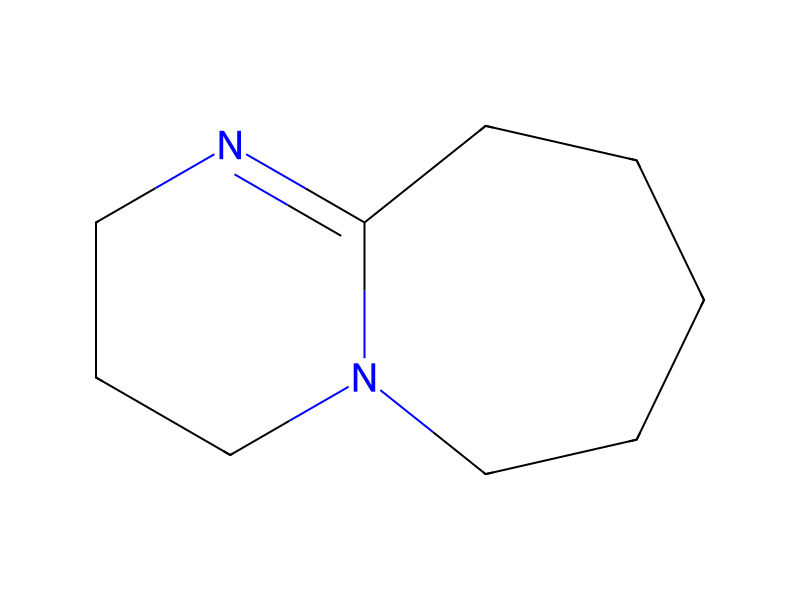
Azeotropically dried (S)-4-hydroxy-chroman-7-carbonitrile (Step A) (2.0 g, 11 mmol) was dissolved in dry THF (55 ml). DPPA (3.0 mL, 3.8 g, 14 mmol) was added to the solution at RT and the mixture was stirred for 5 min. The solution was cooled to 0° C. and DBU (2.0 mL, 2.1 g, 14 mmol) was added. After stirring for 10 min at 0° C., the reaction was warmed to RT, at which time a white precipitate formed, and was stirred for 14 h. The resulting solution was poured into H2O (100 mL) and extracted with Et2O (300 mL, 3×). The organic phases were combined, washed with brine, dried over MgSO4, filtered and concentrated in vacuo to provide a residue which was purified by flash column chromatography (silica, 33% hexane in CH2Cl2) to provide the title compound. Using the chiral azide, (R)-4-azido-chroman-7-carbonitrile, and the procedures from Example 1 the following diastereomerically pure compounds were prepared.