HomeMCPWorkbenchSkills
HomeWorkbenchNotificationsMe
llms.txt · MCP GuidePrivacy Policy · Terms of Service · Supportv1.8.0
  1. Home
  2. /Reaction

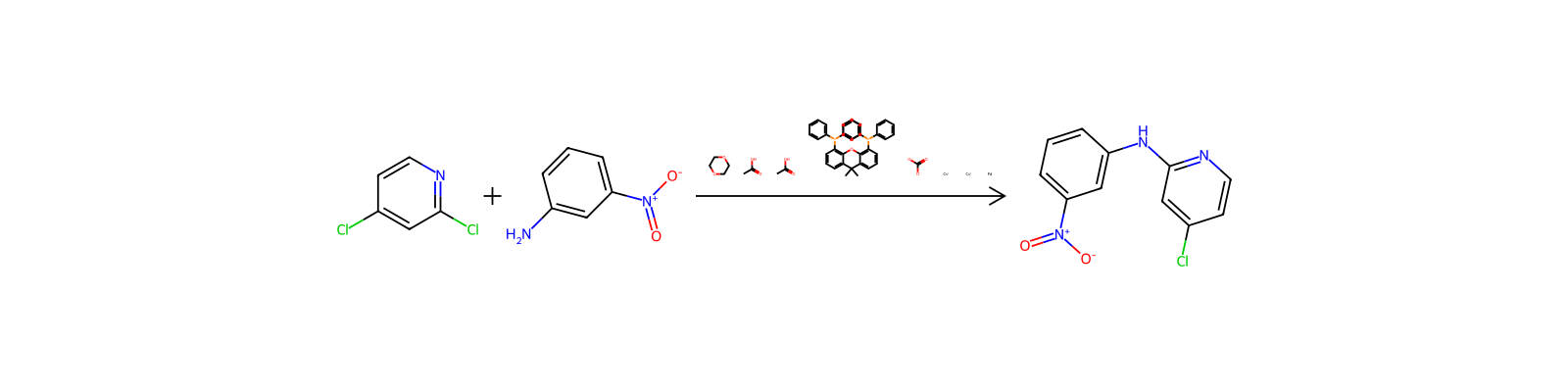
3-Nitroaniline → 4-chloro-N-(3-nitrophenyl)pyridin-2-amine

HRID 321
Notes
Print preview

Reaction equation

HRID 321 reaction equation
Clc1ccnc(Cl)c1.Nc1cccc([N+](=O)[O-])c1>C1COCCO1.CC(=O)O.CC(=O)O.CC1(C)c2cccc(P(c3ccccc3)c3ccccc3)c2Oc2c(P(c3ccccc3)c3ccccc3)cccc21.O=C([O-])[O-].[Cs+].[Cs+].[Pd]>O=[N+]([O-])c1cccc(Nc2cc(Cl)ccn2)c1
ParticipantsConditionsProcedureSources & evidenceReaction notes

Participants

7

Reactant 2

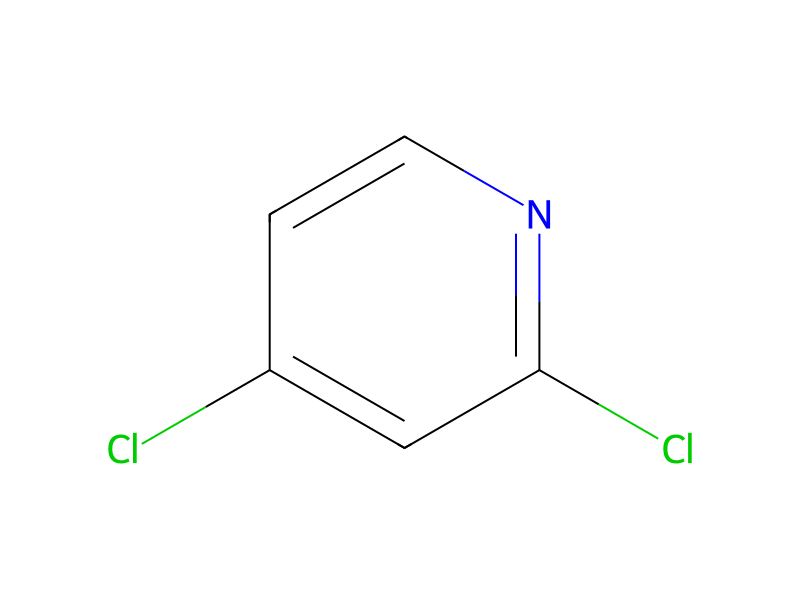
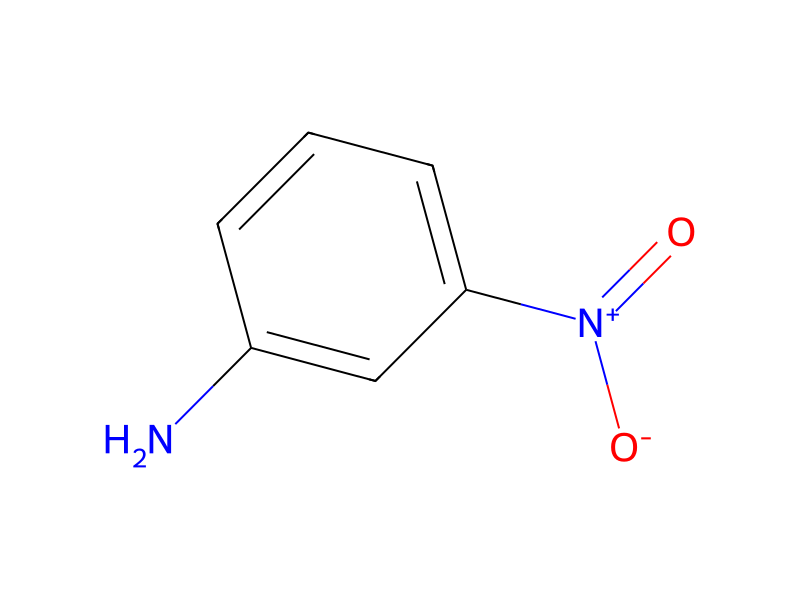
HCID 74233-NitroanilineHCID 335152,4-Dichloropyridine

Product 1

HCID 1022185154-chloro-N-(3-nitrophenyl)pyridin-2-amineYield 47.82%

Reagents, catalysts & solvents 4

HCID 10796Cesium carbonateReagentHCID 6360441,1'-(9,9-Dimethyl-9H-xanthene-4,5-diyl)bis(1,1-diphenylphosphine)Catalyst
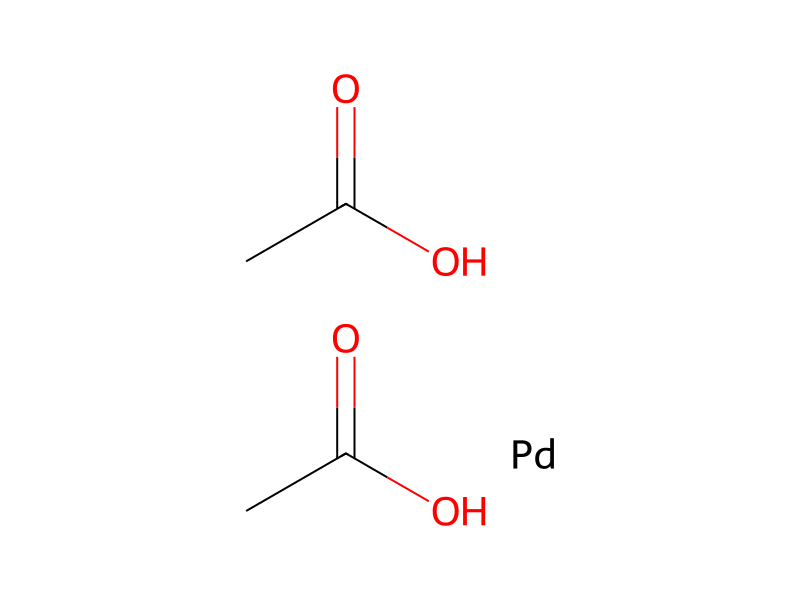
HCID 4144353Palladium (II) acetateCatalyst
HCID 312751,4-DioxaneSolvent

Conditions

Temperature
100 °C

Procedure

3-Nitroaniline (140 mg, 1.01 mmol), 2,4-dichloropyridine (150 mg, 1.01 mmol), 4,5-bis(diphenylphosphino)-9,9-dimethylxanthene (70.4 mg, 0.12 mmol) and cesium carbonate (660 mg, 2.03 mmol) were stirred in dioxane (5 mL). The mixture was purged with nitrogen for 10 minutes. Palladium(II) acetate (22.76 mg, 0.10 mmol) was added and the mixture heated at 100 °C for 1.5h. The mixture was cooled, filtered and concentrated. The crude product was purified by flash silica chromatography, eluting with 1% MeOH in DCM. Pure fractions were evaporated to dryness to afford 4-chloro-N-(3-nitrophenyl)pyridin-2-amine (121 mg, 47.8 %) as a yellow solid.
Sources & evidence

ORD record
ord-703c2a2b287b493ebc27b295a0de91ac
Source dataset
750 AstraZeneca ELN dataset
Original link
View source

Reaction notes

Loading…

On this pageParticipantsConditionsProcedureSources & evidenceReaction notes