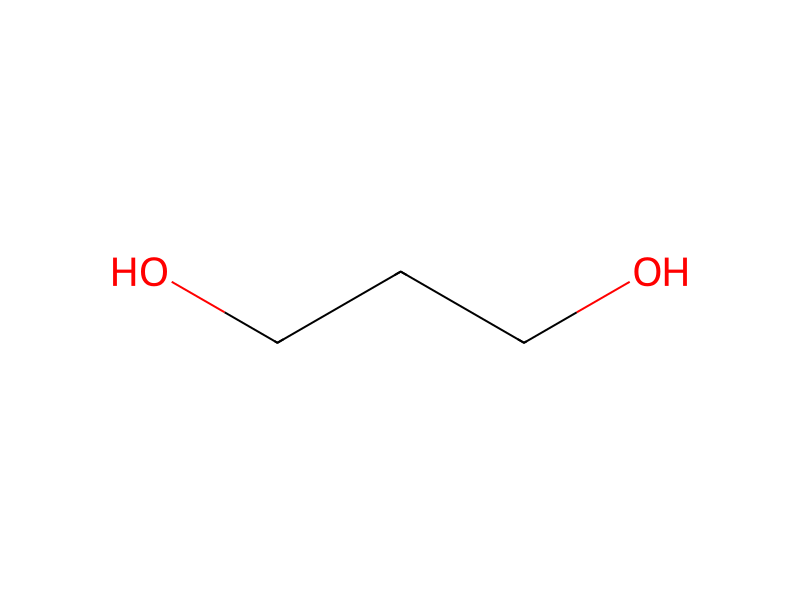
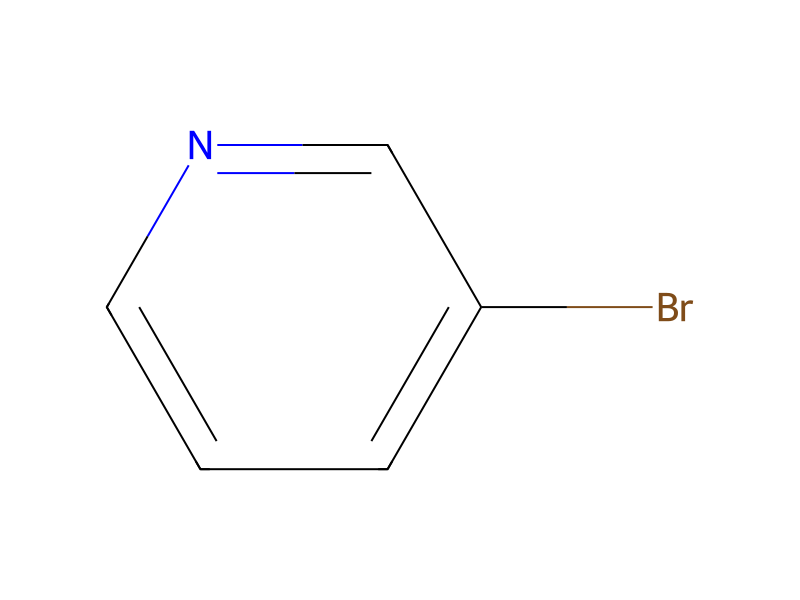
[N+:1]([C:4]1[CH:5]=[C:6](B(O)O)[CH:7]=[CH:8][CH:9]=1)([O-:3])=[O:2].Br[C:14]1[CH:15]=[N:16][CH:17]=[CH:18][CH:19]=1.C(=O)([O-])[O-].[K+].[K+].C(O)CCO>O.C(COC)OC.C1C=CC([P]([Pd]([P](C2C=CC=CC=2)(C2C=CC=CC=2)C2C=CC=CC=2)([P](C2C=CC=CC=2)(C2C=CC=CC=2)C2C=CC=CC=2)[P](C2C=CC=CC=2)(C2C=CC=CC=2)C2C=CC=CC=2)(C2C=CC=CC=2)C2C=CC=CC=2)=CC=1>[N+:1]([C:4]1[CH:5]=[C:6]([C:14]2[CH:15]=[N:16][CH:17]=[CH:18][CH:19]=2)[CH:7]=[CH:8][CH:9]=1)([O-:3])=[O:2]A mixture of 3-nitrophenylboronic acid (50 g, 0.3 mol), 3-bromopyridine (48 ml, 0.5 mol), potassium carbonate (207 g, 1.5 mol), 1,3-propanediol (107 ml, 1.5 mol) and tetrakis(triphenylphosphine)palladium(0) (0.5 g) in a mixture of water (200 ml) and dimethoxyethane (400 ml) was stirred in a nitrogen atmosphere at 80° C. for 3 hours. After cooling the dimethoxyethane was removed under reduced pressure and the residue was stirred with additionally 200 ml water overnight. The precipitate was filtered off and extracted with aqueous hydrochloric acid (4M, 300 ml). The extract was rendered alkaline by addition of aqueous sodium hydroxide (12M). The product was filtered off, washed with water and dried with suction to yield 3-(3-nitrophenyl)pyridine (50.6 g, 84%).