Reaction equation

C(C1C=CC=CC=1C=C)=C.[Li+:11].[Cl-:12].CC1C=C(O)C=CC=1O.[CH:22]([S:30]([O-:33])(=[O:32])=[O:31])=[CH:23][C:24]1[CH:29]=[CH:28][CH:27]=[CH:26][CH:25]=1.[Na+:34]>CN1CCCC1=O>[CH:22]([S:30]([O-:33])(=[O:31])=[O:32])=[CH:23][C:24]1[CH:29]=[CH:28][CH:27]=[CH:26][CH:25]=1.[Li+:11].[Na+:34].[Cl-:12]Participants





Procedure
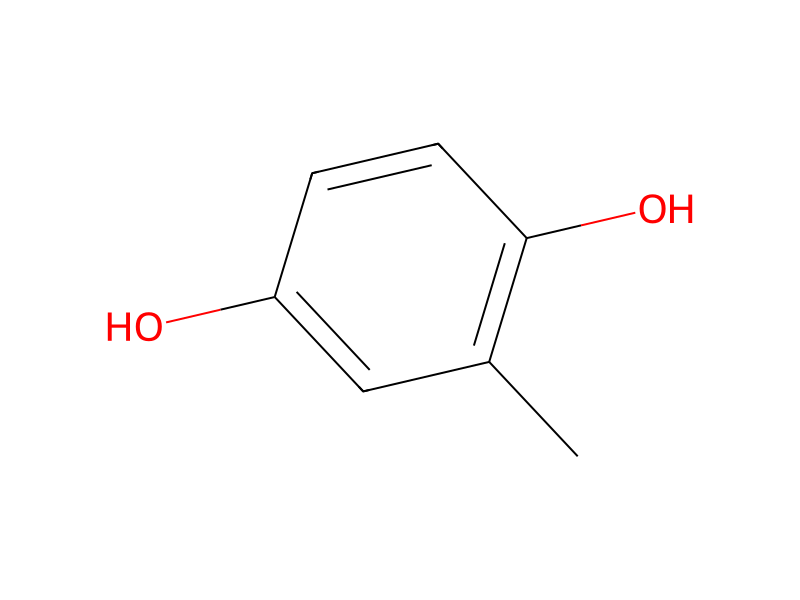
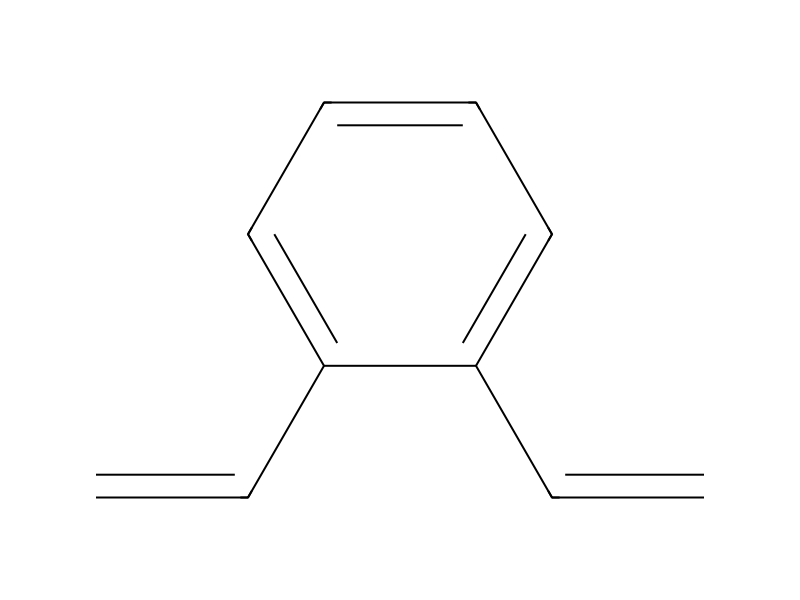
In a 500 ml flat bottomed flask, 50 ml (52.2 g) N-methylpyrrolidone and 50 ml divinyl benzene (80%) are combined at a temperature of 70° C. with stirring. Ten grams of LiCl and 80 mg methylhydroquinone are added to the solution. Subsequently, 50 g sodium styrene sulfonate (81%) are added to the solution forming a suspension, and the reaction allowed to proceed at 70°-80° C. for one hour. The LiCl reacts with the suspended sodium styrene sulfonate to form lithium styrene sulfonate and insoluble NaCl. The reaction mixture is allowed to cool to room temperature, and insoluble materials (NaCl and unreacted insoluble sodium styrene sulfonate) are removed by filtration. A brown, clear filtrate (121 g) is obtained for use in membrane synthesis.
Workup
- customforming a suspension
Sources & evidence
- ORD record
- ord-9c6928402c924beb8284bec56852586b
- Source dataset
- uspto-grants-2001_04
- Patent number
- US06221248B1
Linked notes
Loading…