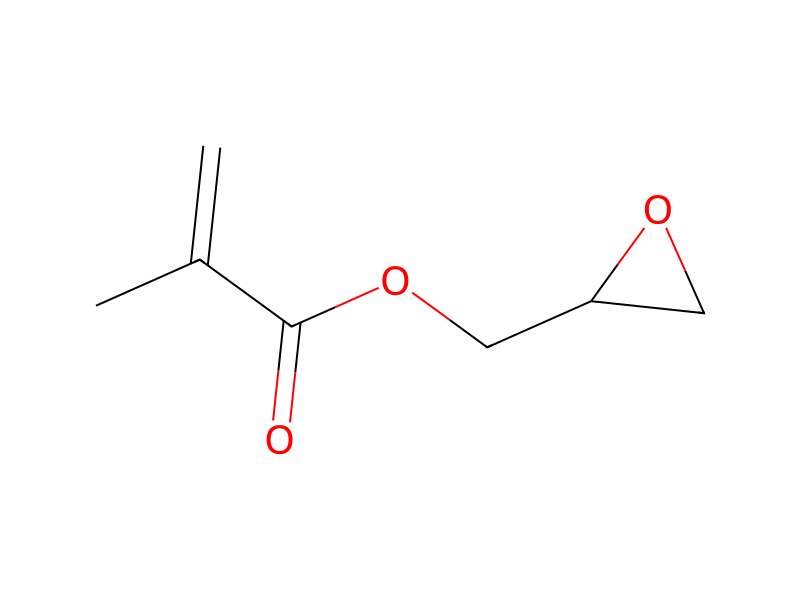
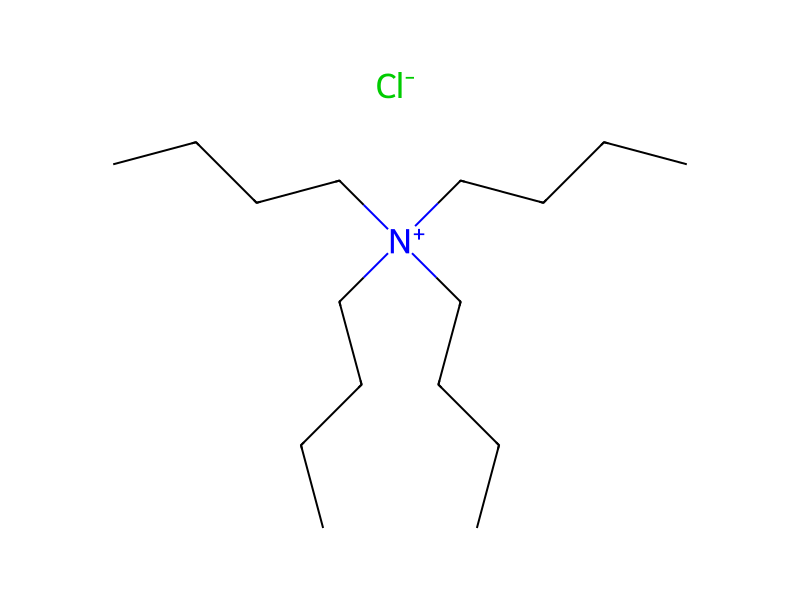
[OH:1][C:2]1[CH:7]=[CH:6][C:5]([CH:8]=[CH:9][C:10]2[CH:19]=[CH:18][C:17]3[C:12](=[CH:13][CH:14]=[CH:15][CH:16]=3)[N:11]=2)=[CH:4][C:3]=1[O:20][CH3:21].[C:22]([O:27][CH2:28][CH:29]1[O:31][CH2:30]1)(=[O:26])[C:23]([CH3:25])=[CH2:24].O>CN(C)C(=O)C.[Cl-].C([N+](CCCC)(CCCC)CCCC)CCC>[CH3:21][O:20][C:3]1[CH:4]=[C:5]([CH:8]=[CH:9][C:10]2[CH:19]=[CH:18][C:17]3[C:12](=[CH:13][CH:14]=[CH:15][CH:16]=3)[N:11]=2)[CH:6]=[CH:7][C:2]=1[O:1][CH2:30][CH:29]([OH:31])[CH2:28][O:27][C:22](=[O:26])[C:23]([CH3:25])=[CH2:24]In 5 cm3 of N,N-dimethylacetamide, 2.77 g of the produced quinoline derivative was dissolved and 1.42 g of glycidyl methacrylate and 0.10 g of tetrabutylammonium chloride were added thereto. The resultant mixture was reacted by maintaining it at 90° to 100° C. for 5 hours. The reaction product was mixed with water. The oily substance separated consequently was extracted via ethyl acetate, washed thoroughly with water, and dried. The dry product was distilled to expel the solvent and then separated and purified by silica gel chromatography, to afford 2-{2-[3-methoxy-4-(2-hydroxy-3-methacryloyloxypropyloxy)-phenyl]-ethenyl}-quinoline in a yield of 50%. When this product was recrystallized via ethyl acetatehexane, there was obtained a pure product having a melting point of 119° C. It was identified by elementary analysis and infrared absorption spectrometry.
Loading…