Reaction equation

[C:1]([O-:4])(=[O:3])[CH3:2].[Ca+2:5].[C:6]([O-:9])(=[O:8])[CH3:7].[CH:10]([CH:22]1[CH2:27][C:26](=[O:28])[O:25][C:23]1=O)=[CH:11][CH2:12][CH2:13][CH2:14][CH2:15][CH2:16][CH2:17][CH2:18][CH2:19]CC>O.C(O)(C)C>[C:26]([O:25][CH:23]=[CH:22][CH2:10][CH2:11][CH2:12][CH2:13][CH2:14][CH2:15][CH2:16][CH2:17][CH2:18][CH3:19])(=[O:28])[CH2:27][CH2:2][C:1]([O-:4])=[O:3].[Ca+2:5].[CH:23]([O:25][C:26](=[O:28])[CH2:27][CH2:7][C:6]([O-:9])=[O:8])=[CH:22][CH2:10][CH2:11][CH2:12][CH2:13][CH2:14][CH2:15][CH2:16][CH2:17][CH2:18][CH3:19]Participants
5
Reactant 2
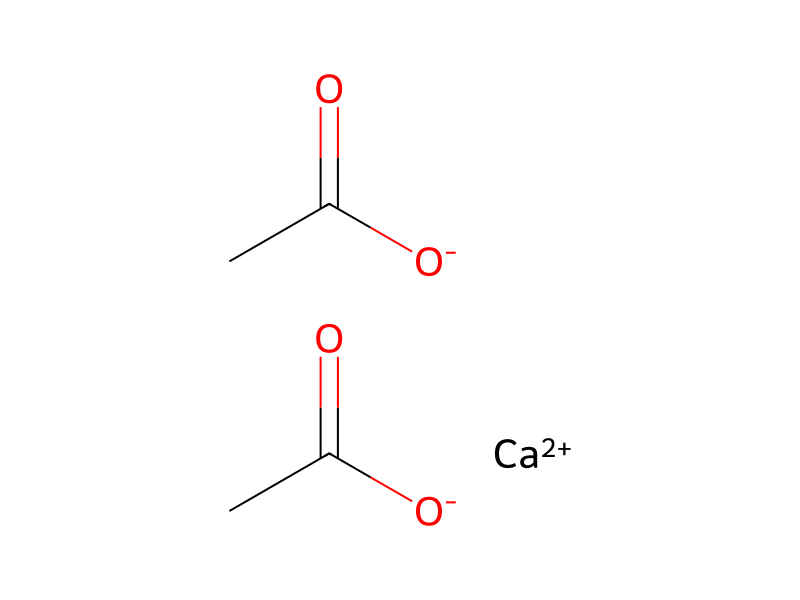

Product 1

Reagents, catalysts & solvents 2


Conditions
- Temperature
- 90 °C
Procedure
A solution of 313.5 g (1.98 mol) calcium acetate in 1000 ml water was added to a solution of 570 g (1.98 mol) dodecenyl succinic anhydride in 1000 ml isopropanol. The mixture was then heated to 90° C., left at that temperature for 1.5 h and then concentrated in a water jet vacuum. The residue was dried in vacuo in a drying cabinet at 100° C. 680 g of the calcium soap were obtained in the form of a colorless powder.
Workup
- concentrationconcentrated in a water jet vacuum
- customThe residue was dried in vacuo in a drying cabinet at 100° C
Sources & evidence
- ORD record
- ord-93f2ffbeba514eb389fbfa7f33845a47
- Source dataset
- uspto-grants-1993_12
- Patent number
- US05271855
Linked notes
Loading…