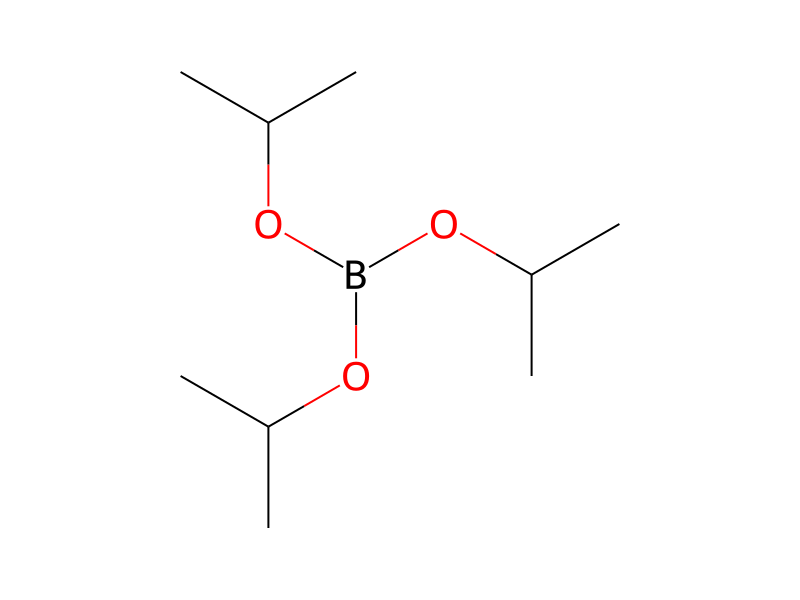
To 6.60 g of 6-bromo-1,2,3,4-tetrahydronaphthalene in THF (60 ml) cooled on a dry ice-acetone bath, 25 ml of n-butyllithium (1.60 M/hexane solution) was added dropwise over 30 minutes in an argon stream, and after the dropwise addition, the reaction mixture was stirred for 1 hour under the same conditions. Then, 6.47 g of triisopropyl borate was added dropwise over 20 minutes, and after the dropwise addition, the reaction mixture was allowed to react for 3.5 hours. The reaction mixture was poured into ice-cold water and brought to almost neutral (pH 8) with ammonium chloride and then extracted with ethyl acetate (400 ml×1, 100 ml×2), and the organic layer was washed with saturated aqueous sodium chloride, dried over anhydrous magnesium sulfate and concentrated under reduced pressure. The resulting residue was purified by silica gel column chromatography (eluent: methanol/chloroform=1/30), and the resulting solid was washed with a small amount of cold hexane to obtain 5.11 g of the desired product (yield 93%).