Tris(hydroxymethyl)aminomethane → N-(2,3-dimethylcyclohexyl)benzo[d][1,3]dioxole-5-carboxamide
Reaction equation

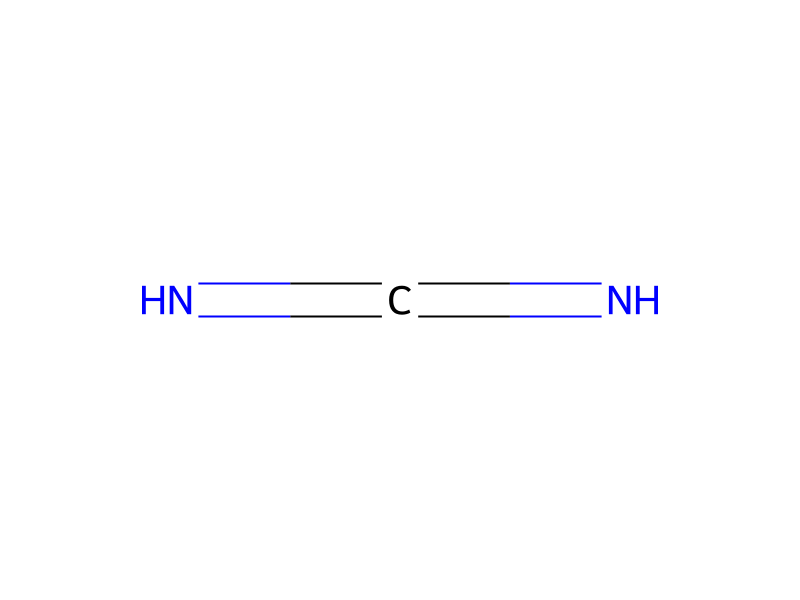
[CH3:1][CH:2]1[CH:7]([CH3:8])[CH2:6][CH2:5][CH2:4][CH:3]1[NH2:9].[O:10]1[C:14]2[CH:15]=[CH:16][C:17]([C:19](O)=[O:20])=[CH:18][C:13]=2[O:12][CH2:11]1.N=C=N.OC1C2N=NNC=2C=CC=1.C(O)C(N)(CO)CO>C(#N)C.ClCCl.CN(C=O)C.C(#N)C>[CH3:1][CH:2]1[CH:7]([CH3:8])[CH2:6][CH2:5][CH2:4][CH:3]1[NH:9][C:19]([C:17]1[CH:16]=[CH:15][C:14]2[O:10][CH2:11][O:12][C:13]=2[CH:18]=1)=[O:20]Participants
Reactant 5



Product 1

Reagents, catalysts & solvents 3



Procedure
2,3-dimethylcyclohexanamine (20 μmol) and benzo[d][1,3]dioxole-5-carboxylic acid (1.1 eq) were each dissolved in acetonitrile/dichloromethane (200 μL, 2:1). PS-Carbodiimide resin (2 eq) was loaded into a 1.2 mL 96 well Greiner plate, followed by the addition of amine and acid solutions. Hydroxybenzotriazole (1.1 eq) was dissolved in DMF (100 mL) and was added into the reaction well. The reaction was shaken overnight at room temperature. Once the reaction was completed, PS-Trisamine resin (1.5 eq) was added into the reaction mixture and the solution was allowed to shake overnight at room temperature. Acetonitrile (200 mL) was added into the reaction well, and the top clear solution was transferred into a new plate. The solution was evaporated to give N-(2,3-dimethylcyclohexyl)benzo[d][1,3]dioxole-5-carboxamide. MS (M+H, 276.20).
Workup
- additionwas added into the reaction well
- waitto shake overnight at room temperature
- customThe solution was evaporated
Sources & evidence
- ORD record
- ord-214d46e93fd848efac87ce532459a3b5
- Source dataset
- uspto-grants-2014_11
- Patent number
- US08895050B2
Reaction notes
Loading…