Reaction equation

[N:1]1[C:8]([Cl:9])=[N:7][C:5](Cl)=[N:4][C:2]=1[Cl:3].[CH2:10]([CH:12]([CH2:15][CH2:16][CH2:17][CH3:18])[CH2:13][NH2:14])[CH3:11]>>[Cl:9][C:8]1[NH:7][C:5](=[N:14][CH2:13][CH:12]([CH2:10][CH3:11])[CH2:15][CH2:16][CH2:17][CH3:18])[N:4]=[C:2]([Cl:3])[N:1]=1Participants
3

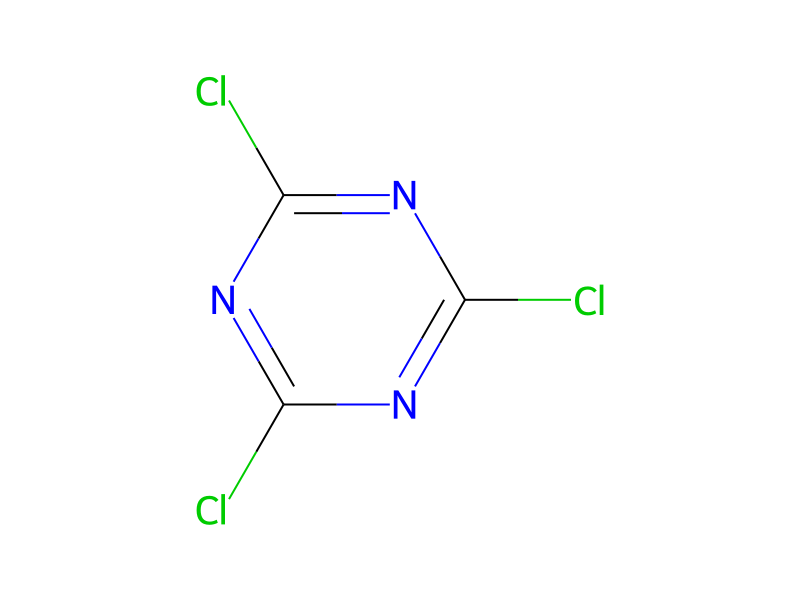

Procedure
Similarly to the process reported in example 1, the cyanuryl chloride was reacted with 2-ethyl-1-hexylamine, to obtain the corresponding intermediate 2,4-bischloro-6-(2-ethylhexyl)imino-1,3,5-triazine. Similarly to the process reported in examples 2 and 3, the latter was reacted with two equivalents of p-aminobenzoic acid to give the corresponding diacid, which was then converted to the corresponding diacyl chloride by the action of thionyl chloride.
Sources & evidence
- ORD record
- ord-303eacb95df640eab0cb79342a9560db
- Source dataset
- uspto-grants-2014_11
- Patent number
- US08895731B2
Linked notes
Loading…