Reaction equation

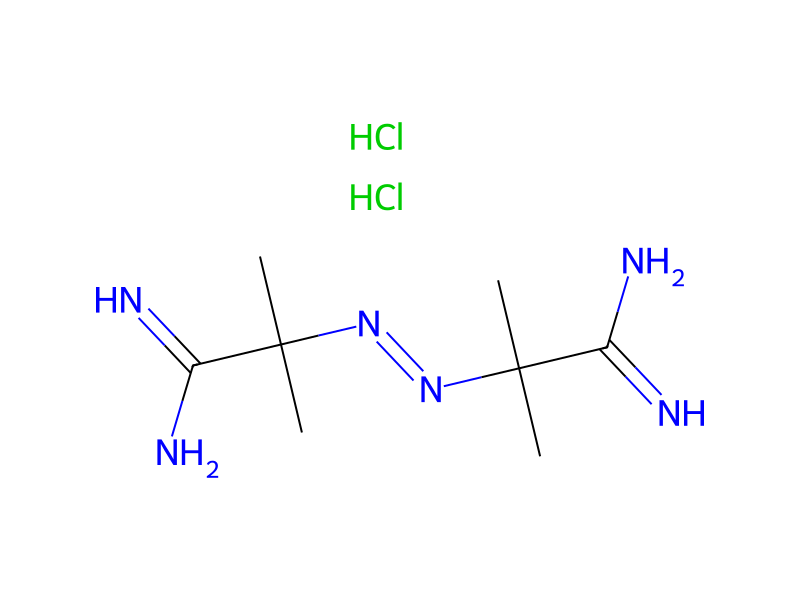
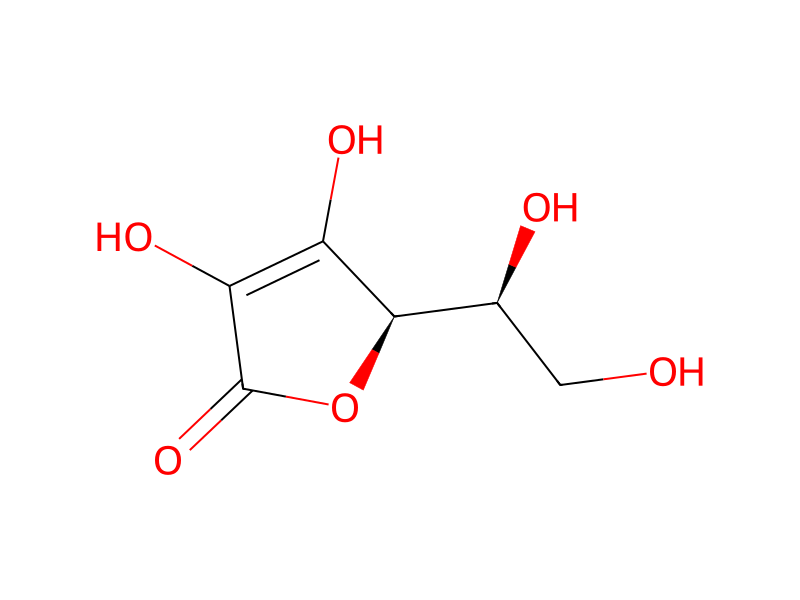
[C:1]([NH2:5])(=[O:4])[CH:2]=[CH2:3].[C:6]([OH:10])(=[O:9])[CH:7]=[CH2:8].[OH-].[K+:12].S(OOS([O-])(=O)=O)([O-])(=O)=O.[Na+].[Na+].OO.O=C1O[C@H]([C@H](CO)O)C(O)=C1O.Cl.Cl.N(C(C)(C)C(N)=N)=NC(C)(C)C(N)=N>C(C=CC(N)=O)C=CC(N)=O.O>[C:6]([O-:10])(=[O:9])[CH:7]=[CH2:8].[K+:12].[C:1]([NH2:5])(=[O:4])[CH:2]=[CH2:3]Participants
Reactant 7





Product 1

Reagents, catalysts & solvents 2


Conditions
- Temperature
- 10 °C
Procedure
In a polymerization vessel, 0.9 g methylene bisacrylamide and 192 g acrylamide were dissolved in 500 g water first and mixed with 84 g acrylic acid. Then, the monomer solution was neutralized with 102 g potassium hydroxide solution (45%), cooled to 10° C. and blown out with nitrogen. After addition of the catalyst solutions (1.6 g sodium peroxidisulfate, 0.2 g hydrogen peroxide (35%) and 0.01 g ascorbic acid) and 10 g 2,2'-azobis(2-methyl-propionamidine)dihydrochloride used as blowing agent, the polymerization was initiated. Thorough mixing of the catalyst solutions with the monomer solution is a precondition for a homogeneous polymerization in the whole polymer block. The maximum temperature of 100° C. (in a well-insulated polymerization vessel) was reached within 10 minutes. After completed polymerization, the polymer gel was crumbled, dried at 120° C. and ground to the desired size fraction. A cross-linked potassium acrylate/acrylamide copolymer was obtained which had a porous structure resulting from the entrapped nitrogen bubbles.
Workup
- additionThorough mixing of the catalyst solutions with the monomer solution
- customfor a homogeneous polymerization in the whole polymer block
- custompolymerization
- customdried at 120° C.
Sources & evidence
- ORD record
- ord-8654cac7ef3c41a787072ecf54b1fec3
- Source dataset
- uspto-grants-1999_01
- Patent number
- US05856370
Linked notes
Loading…