Reaction equation

Cl.[C:2]1([C:8]2([C:14]#[N:15])[CH2:13][CH2:12][NH:11][CH2:10][CH2:9]2)[CH:7]=[CH:6][CH:5]=[CH:4][CH:3]=1.[CH2:16](Br)[C:17]1[CH:22]=[CH:21][CH:20]=[CH:19][CH:18]=1.C(=O)([O-])[O-].[K+].[K+]>O1CCCC1.O>[CH2:16]([N:11]1[CH2:10][CH2:9][C:8]([C:2]2[CH:3]=[CH:4][CH:5]=[CH:6][CH:7]=2)([C:14]#[N:15])[CH2:13][CH2:12]1)[C:17]1[CH:22]=[CH:21][CH:20]=[CH:19][CH:18]=1Participants
5
Reactant 3



Product 1

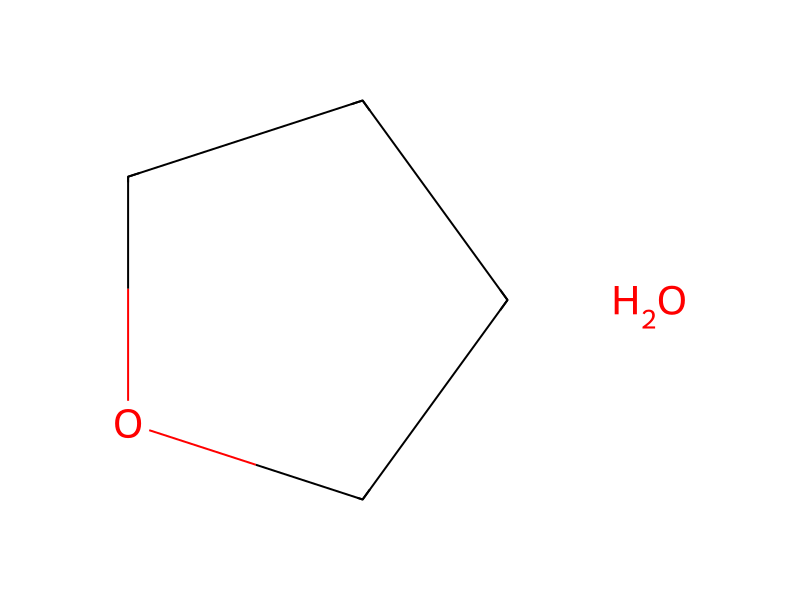
Reagents, catalysts & solvents 1
Procedure
Alternately, combine 4-phenyl-4-cyano-piperidine hydrochloric acid salt (10 g, 44.9 mmol), benzyl bromide (5.4 mL, 45.4 mmol), and potassium carbonate (25.2g, 182.3 mmol) in tetrahydrofuran/water (80 mL/20 mL). After 18 hours, partition the reaction mixture between water and dichloromethane. Separate The organic layer and extract with water, dry over MgSO4, filter and evaporate invacuo to give a residue. Recrystallize the residue from hexane to give 1-benzyl-4-phenyl-4-cyanopiperidine as a solid: mp; 73°-74° C.
Workup
- custompartition the reaction mixture between water and dichloromethane
- customSeparate The organic layer
- extractionextract with water
- dry with materialdry over MgSO4
- filtrationfilter
- customevaporate invacuo
- customto give a residue
- customRecrystallize the residue from hexane
Sources & evidence
- ORD record
- ord-6af9594e2cda42c1a919923860343293
- Source dataset
- uspto-grants-1999_01
- Patent number
- US05861417
Linked notes
Loading…