Reaction equation

[N:1]1[C:8]([Cl:9])=[N:7][C:5](Cl)=[N:4][C:2]=1[Cl:3].[CH2:10]1[CH2:23][O:22][C:12]2([CH2:17][C:16]([CH3:19])([CH3:18])[NH:15][C:14]([CH3:21])([CH3:20])[CH2:13]2)[O:11]1>C1(C)C(C)=CC=CC=1>[Cl:9][C:8]1[N:1]=[C:2]([Cl:3])[N:4]=[C:5]([N:15]2[C:16]([CH3:19])([CH3:18])[CH2:17][C:12]3([O:11][CH2:10][CH2:23][O:22]3)[CH2:13][C:14]2([CH3:21])[CH3:20])[N:7]=1Participants
4
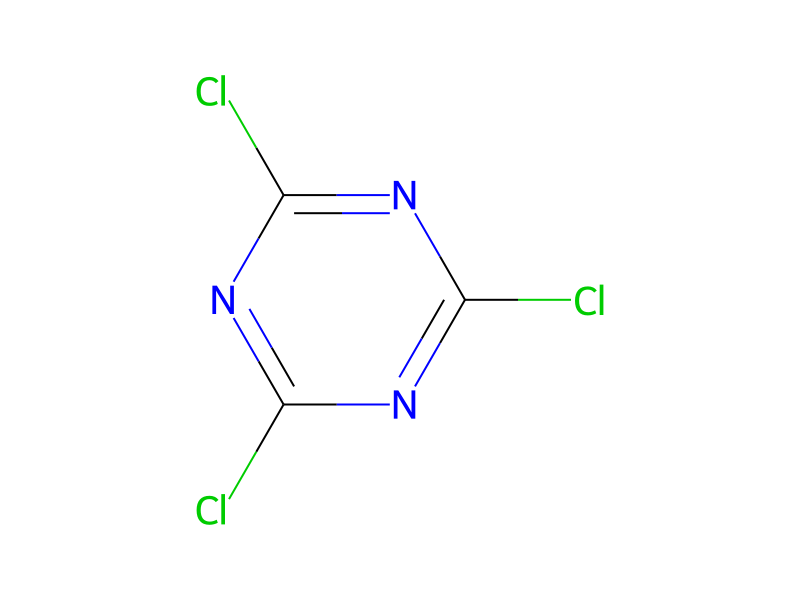



Procedure
A solution of 55.3 g (0.3 mol) of cyanuric chloride in 300 ml of xylene is added dropwise with stirring and cooling to 0°-5° to a solution of 119.6 g (0.6 mol) of 4,4-ethylenedioxy-2,2,6,6-tetramethylpiperidine in 100 ml of xylene. The mixture is subsequently heated to reflux and kept at boiling point for 26 hours. After addition of 150 ml of xylene, the mixture is allowed to cool and the precipitate is filtered off. The filtrate is evaporated in vacuo. The residue is recrystallized from 300 ml of acetonitrile. The product obtained is a brownish powder which melts at 169°-172°.
Workup
- temperatureThe mixture is subsequently heated
- temperatureto reflux
- customfor 26 hours
- temperatureto cool
- filtrationthe precipitate is filtered off
- customThe filtrate is evaporated in vacuo
- customThe residue is recrystallized from 300 ml of acetonitrile
- customThe product obtained
Sources & evidence
- ORD record
- ord-c7bb789d0b1d4f4bacfa19354d6ade46
- Source dataset
- uspto-grants-1991_10
- Patent number
- US05059689
Linked notes
Loading…