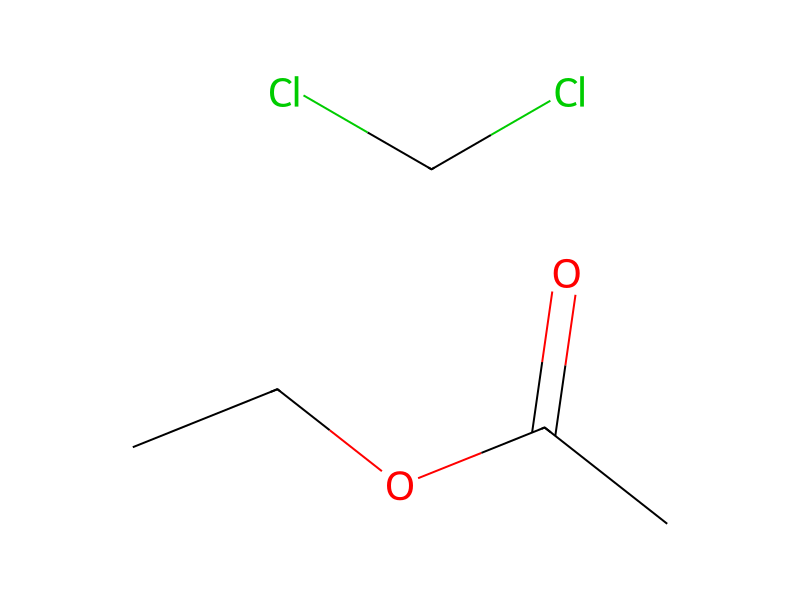
[OH:1][C:2]1[CH:3]=[C:4]2[C:9](=[CH:10][CH:11]=1)[O:8][CH2:7][CH2:6][C:5]2=[O:12].Cl[CH2:14][C:15]1[CH:24]=[CH:23][C:22]2[C:17](=[CH:18][CH:19]=[CH:20][CH:21]=2)[N:16]=1.[I-].[Na+].C(=O)([O-])[O-].[K+].[K+]>CCOC(C)=O.C(Cl)Cl.CC(C)=O>[N:16]1[C:17]2[C:22](=[CH:21][CH:20]=[CH:19][CH:18]=2)[CH:23]=[CH:24][C:15]=1[CH2:14][O:1][C:2]1[CH:3]=[C:4]2[C:9](=[CH:10][CH:11]=1)[O:8][CH2:7][CH2:6][C:5]2=[O:12]A mixture of 6-hydroxy-4-chromanone (10.0 g, 0.0609 mol), 2-chloromethylquinoline (11.9 g, 0.0670 mol), sodium iodide (10.0 g, 0.0670 mol), potassium carbonate (25.3 g, 0.183 mol), and acetone (200 ml) was refluxed overnight under N2 atmosphere. After 17 hours the reaction appeared lighter and tlc analysis (10% EtOAc/CH2Cl2) indicated complete conversion of starting material to a slightly less polar product. The mixture was cooled, filtered, and the filtrate concentrated in vacuo. The residue was taken up in ethyl acetate (400 ml), washed with H2O and brine, dried over MgSO4, and concentrated in vacuo to a dark brown oil. Purification on a silica gel column eluted with 10% ethyl acetate/CH2Cl2 gave title product as an off-white solid, 15.3 g (82%), m.p. 112°-114° C.; tlc (1:9 ethyl acetate:CH2Cl2) Rf 0.30.