Reaction equation

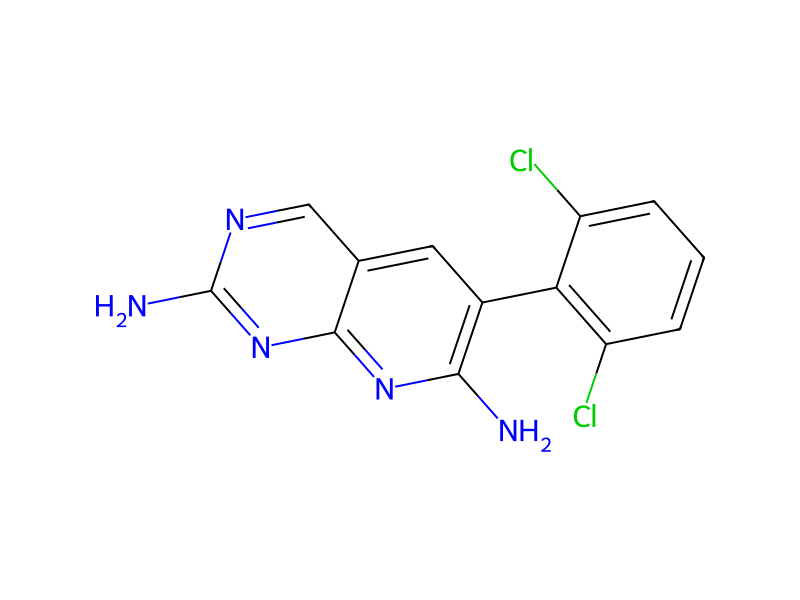
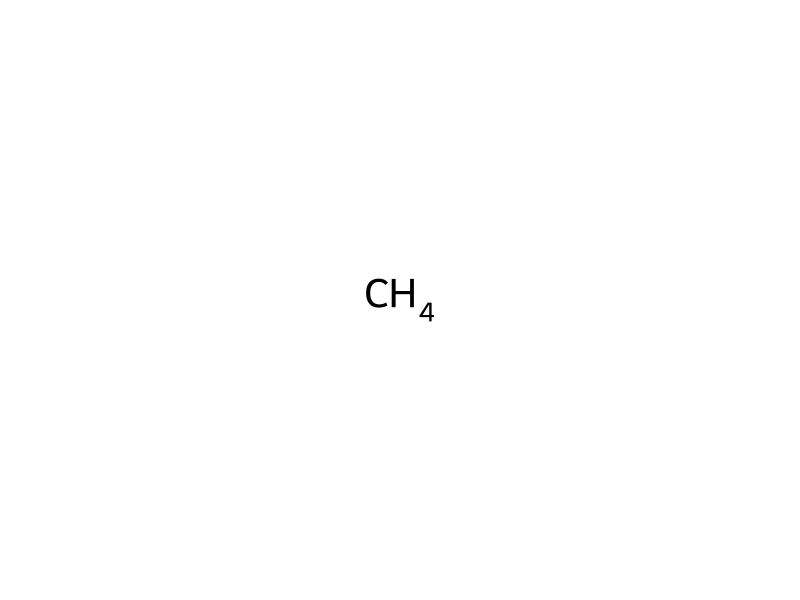
[NH2:1][C:2]1[N:3]=[CH:4][C:5]2[CH:11]=[C:10]([C:12]3[C:17]([Cl:18])=[CH:16][CH:15]=[CH:14][C:13]=3[Cl:19])[C:9]([NH2:20])=[N:8][C:6]=2[N:7]=1.[CH:21]([N:24]=[C:25]=[O:26])([CH3:23])[CH3:22].N>C>[NH2:1][C:2]1[N:3]=[CH:4][C:5]2[CH:11]=[C:10]([C:12]3[C:17]([Cl:18])=[CH:16][CH:15]=[CH:14][C:13]=3[Cl:19])[C:9]([NH:20][C:25]([NH:24][CH:21]([CH3:23])[CH3:22])=[O:26])=[N:8][C:6]=2[N:7]=1Participants
5



Procedure
The title compound was prepared from 0.5 g of 6-(2,6-dichlorophenyl)-pyrido{2,3-d]pyrimidine-2,7-diamine from Example 1 and 0.172 mL of isopropyl isocyanate according to Example 2. The product was purified by MPLC eluting with a gradient of CHCl3 :EtOAc (1:1) to afford the pure product; mp 184°-188° C., CIMS (1% ammonia in methane): m/z (relative intensity) 391 (MH+, 16), 393 (MH+ +2, 11), 306 (100).
Workup
- customThe product was purified by MPLC
- washeluting with a gradient of CHCl3 :EtOAc (1:1)
- customto afford the pure product
Sources & evidence
- ORD record
- ord-98fd6ea357a243d78e0bdcc503d56dcd
- Source dataset
- uspto-grants-1998_03
- Patent number
- US05733913
Linked notes
Loading…