HomeMCPSkillsWorkbenchOpenChem
HomeWorkbenchNotificationsMe
llms.txt · skill.md · MCP GuidePrivacy Policy · Terms of Service · Supportv1.8.6
  1. Home
  2. /Reaction

Hydrochloric Acid → 2-(2-Methylpropyl)piperazine Hydrochloride

HRID 352804
Print

Reaction equation

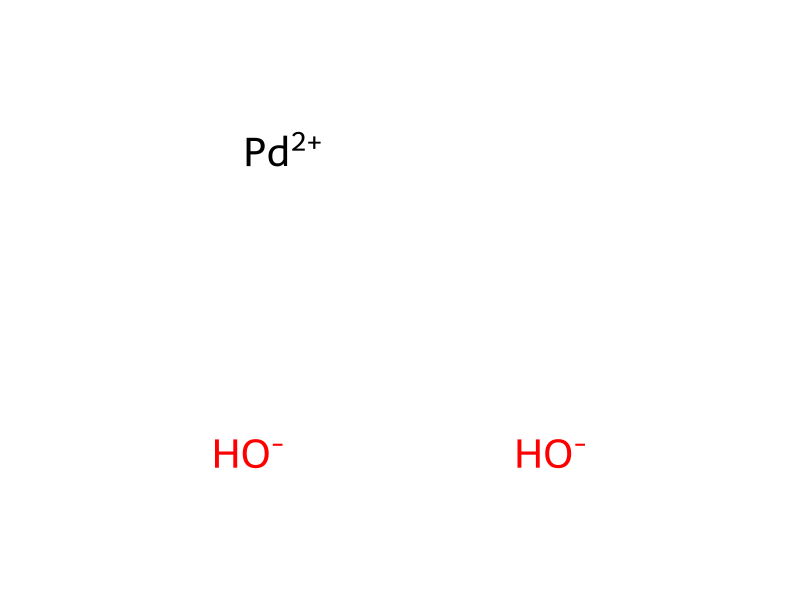
[ClH:1].C([N:9]1[CH2:14][CH2:13][N:12](CC2C=CC=CC=2)[CH2:11][CH:10]1[CH:22]=[C:23]([CH3:25])[CH3:24])C1C=CC=CC=1>[OH-].[Pd+2].[OH-].C(O)C>[ClH:1].[CH3:24][CH:23]([CH3:25])[CH2:22][CH:10]1[CH2:11][NH:12][CH2:13][CH2:14][NH:9]1
ParticipantsProcedureWorkupSources & evidenceReaction notes

Participants

5

Reactant 2

HCID 313Hydrochloric AcidHCID 227102601,4-Dibenzyl-2-(2-methyl-1-propenyl)piperazine

Product 1

HCID 227109842-(2-Methylpropyl)piperazine Hydrochloride

Reagents, catalysts & solvents 2

HCID 9942167Palladium hydroxideCatalystHCID 702EthanolSolvent

Procedure

Concentrated hydrochloric acid (3 ml) and palladium hydroxide (683 mg) were added to an ethanol solution (300 ml) of 1,4-dibenzyl-2-(2-methyl-1-propenyl)piperazine (5.2 g), followed by stirring for 2 hours under a hydrogen gas stream of 1 atmospheric pressure. The catalyst was removed by filtration and the solvent was distilled off under reduced pressure. The residue was recrystallized from methylene chloride—hexane, followed by washing with diethyl ether and drying under reduced pressure, whereby the title compound (2.95 g) was obtained as a brown solid.

Workup

  1. customThe catalyst was removed by filtration
  2. distillationthe solvent was distilled off under reduced pressure
  3. customThe residue was recrystallized from methylene chloride—hexane
  4. washby washing with diethyl ether
  5. dry with materialdrying under reduced pressure, whereby the title compound (2.95 g)
  6. customwas obtained as a brown solid

Sources & evidence

ORD record
ord-61f7e3d920bf4858aec5270e93f17de0
Source dataset
uspto-grants-2004_06
DOI
10.6084/m9.figshare.5104873.v1
Patent number
US06747023B1

Reaction notes

On this pageParticipantsProcedureWorkupSources & evidenceReaction notes