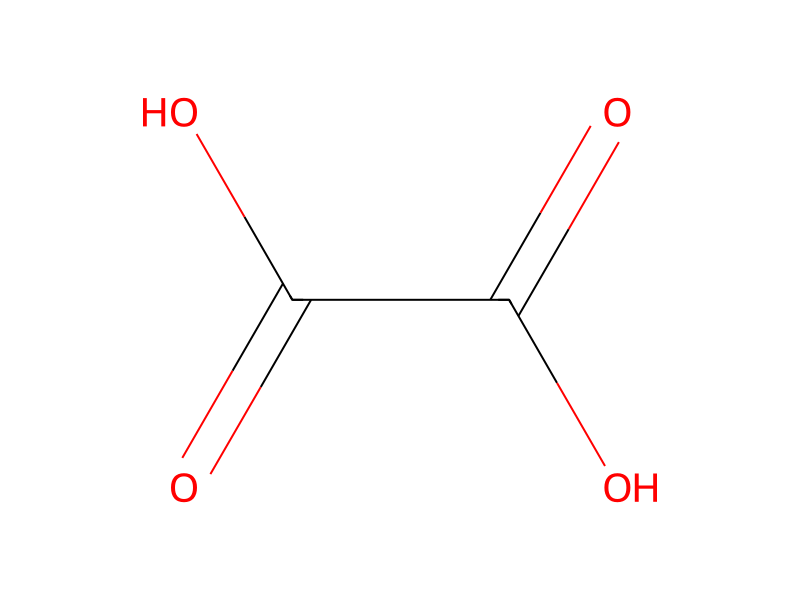
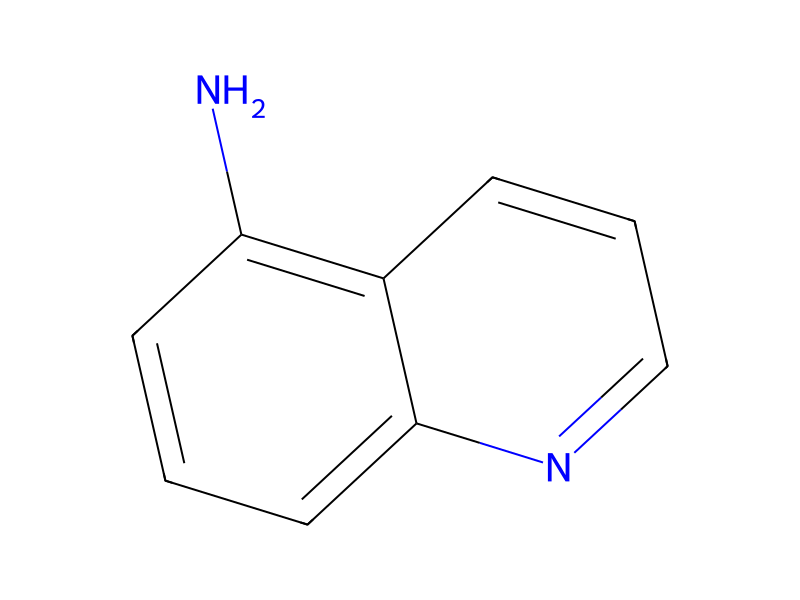
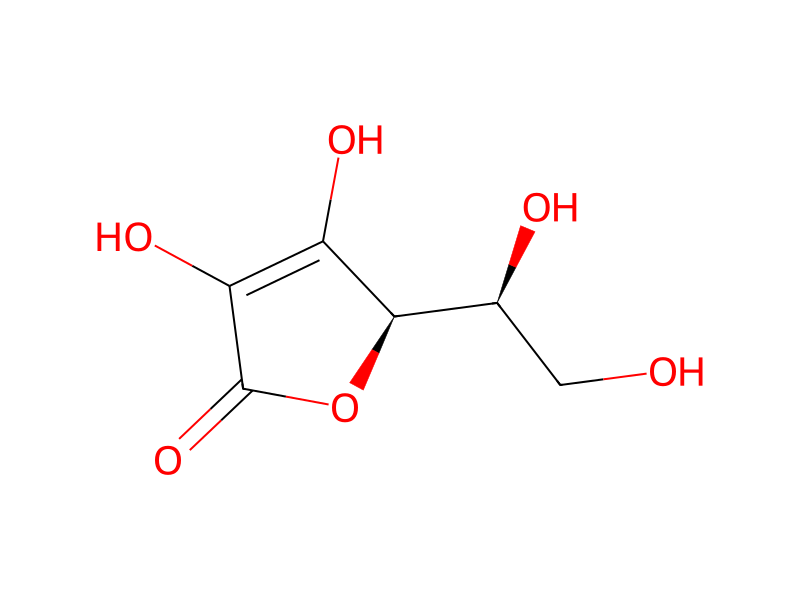
To a 250 ml flask under a nitrogen atmosphere, water (20 ml) and concentrated HCl (60 ml, 0.61 moles) were charged and cooled down to −2 to 0° C. 5-Aminoquinoline (10 g, 0.069 moles) was added in one portion as a solid. An increase in temperature of 10° C. was observed. The orange-yellow suspension was re-cooled to −2 to 0° C. and sodium nitrite (5.8 g, 0.084 moles) dissolved in water (10 ml) was added dropwise to the acidic solution through an addition funnel over a period of 20 minutes at −2 to 0° C. The resulting mixture (dark-brown solution) was stirred for 1 hour at −2 to 0° C. L-Ascorbic acid (14.3 g, 0.081 moles) was then added in portions as a solid over a period of 20 minutes at −2 to 0° C. The reaction was allowed to come to room temperature (18-20° C.) over a period of 30 minutes, then heated at 50° C. and stirred for 30 hours at this temperature. The resultant slurry was cooled to room temperature (18-20° C.), stirred for 1 hour at this temperature, filtered and washed with propan-2-ol (40 ml). The product was dried to constant weight in an air tray drier at 40° C. to afford 11.75 g of 5-hydrazinoquinoline dihydrochloride as a green solid (HPLC purity calculated as area percent: 98%, with 1.6% of oxalic acid intermediate; 71.5% molar yield).