HomeMCPWorkbenchSkills
HomeWorkbenchNotificationsMe
llms.txt · MCP GuidePrivacy Policy · Terms of Service · Supportv1.8.0
  1. Home
  2. /Reaction

Hydrochloric Acid → 2-(2,4-dichlorophenyl)-6-methyl-1,2,4-triazine-3,5(2H,4H)-dione

HRID 35415
Notes
Print preview

Reaction equation

HRID 35415 reaction equation
Cl.[Cl:2][C:3]1[CH:8]=[C:7]([Cl:9])[CH:6]=[CH:5][C:4]=1[NH:10][NH2:11].[C:12]([OH:17])(=O)[C:13]([CH3:15])=O.S(Cl)(Cl)=O.[NH2:22][C:23](OCC)=[O:24].Cl>O.C(O)C.C1(C)C=CC=CC=1.[OH-].[Na+]>[Cl:2][C:3]1[CH:8]=[C:7]([Cl:9])[CH:6]=[CH:5][C:4]=1[N:10]1[C:23](=[O:24])[NH:22][C:12](=[O:17])[C:13]([CH3:15])=[N:11]1
ParticipantsProcedureWorkupSources & evidenceReaction notes

Participants

10

Reactant 5

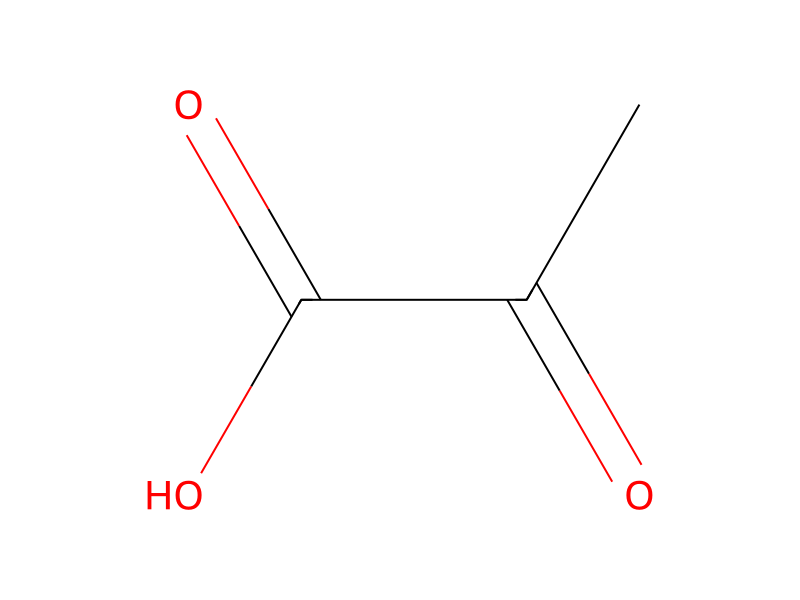
HCID 313Hydrochloric AcidHCID 1060Pyruvic AcidHCID 5641Carbamic acid, ethyl esterHCID 24386Thionyl ChlorideHCID 2723905(2,4-Dichlorophenyl)hydrazine monohydrochloride

Product 1

HCID 142769352-(2,4-dichlorophenyl)-6-methyl-1,2,4-triazine-3,5(2H,4H)-dione
Yield 36.8%

Reagents, catalysts & solvents 4

HCID 702EthanolSolvent2×HCID 962WaterSolvent2×HCID 1140TolueneSolventHCID 14798Sodium HydroxideSolvent

Procedure

To a stirred solution of 4.32 g (0.020 mole) of 2,4-dichlorophenylhydrazine hydrochloride in 100 mL of water and 50 mL of ethanol was added dropwise 2.14 g (0.024 mole) of pyruvic acid in 50 mL of water. Upon complete addition, a precipitate formed and was collected by filtration and dried under reduced pressure at ambient temperature. The solid hydrazone product was dissolved in 100 mL of toluene to which 4.8 g (0.041 mole) of thionyl chloride was added. The resultant mixture was stirred and heated at reflux for 0.5 hour. Distillation of the solvent under reduced pressure left a solid residue, which was dissolved in 100 mL of toluene. Urethane (2.2 g, 0.024 mole) was added, and the resultant solution heated at reflux with stirring for two hours. The solvent was removed from the mixture by distillation under reduced pressure to leave a residue. This residue was subjected to column chromatography on silica gel, eluting with ethyl acetate:heptane (1:1). Appropriate fractions were combined, and the solvent removed by evaporation to leave a gummy residue. The residue was dissolved in 75 mL of ethanol and 75 mL of 1N sodium hydroxide. The resultant solution was heated to 60° C., then poured into a mixture of 3N hydrochloric acid and ice. A solid formed which was collected by filtration and dried under reduced pressure. Recrystallization from tetrahydrofuran:heptane provided 2.0 g of 2-(2,4-dichlorophenyl)-6-methyl-1,2,4-triazine-3,5(2H,4H)-dione (mp 197° C. dec), Compound 4 in the tables.


Workup

  1. additionUpon complete addition
  2. customa precipitate formed
  3. filtrationwas collected by filtration
  4. customdried under reduced pressure at ambient temperature
  5. additionwas added
  6. temperatureheated
  7. temperatureat reflux for 0.5 hour
  8. distillationDistillation of the solvent under reduced pressure
  9. waitleft a solid residue, which
  10. dissolutionwas dissolved in 100 mL of toluene
  11. temperatureat reflux
  12. customThe solvent was removed from the mixture by distillation under reduced pressure
  13. customto leave a residue
  14. washeluting with ethyl acetate:heptane (1:1)
  15. customthe solvent removed by evaporation
  16. customto leave a gummy residue
  17. customA solid formed which
  18. filtrationwas collected by filtration
  19. customdried under reduced pressure
  20. customRecrystallization from tetrahydrofuran

Sources & evidence

ORD record
ord-fa0d7788e7c144ac9b255f058ee399e3
Source dataset
uspto-grants-1988_08
DOI
10.6084/m9.figshare.5104873.v1
Patent number
US04766233

Reaction notes

Loading…

On this pageParticipantsProcedureWorkupSources & evidenceReaction notes