Reaction equation

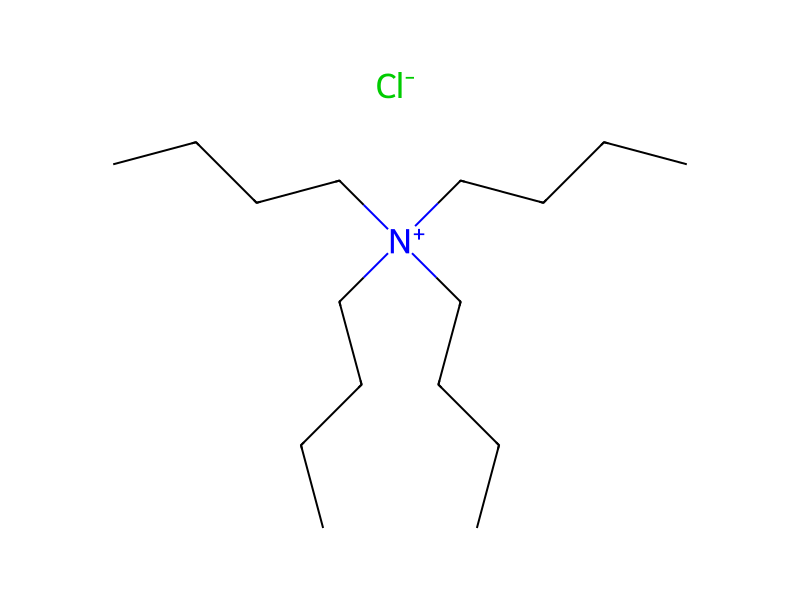
[C:1]1([Si:7]([C:10]2[CH:15]=[CH:14][CH:13]=[CH:12][CH:11]=2)(Cl)Cl)[CH:6]=[CH:5][CH:4]=[CH:3][CH:2]=1.C(=O)([O:19][C:20]1[C:25]([Cl:26])=[CH:24][C:23]([Cl:27])=[C:22]([Cl:28])[N:21]=1)OC>[Cl-].C([N+](CCCC)(CCCC)CCCC)CCC>[C:1]1([Si:7]([C:10]2[CH:15]=[CH:14][CH:13]=[CH:12][CH:11]=2)([O:19][C:20]2[C:25]([Cl:26])=[CH:24][C:23]([Cl:27])=[C:22]([Cl:28])[N:21]=2)[O:19][C:20]2[C:25]([Cl:26])=[CH:24][C:23]([Cl:27])=[C:22]([Cl:28])[N:21]=2)[CH:6]=[CH:5][CH:4]=[CH:3][CH:2]=1Participants
4
Reactant 2


Product 1

Reagents, catalysts & solvents 1
Procedure
In the manner described in Examples 1-7, diphenyldichlorosilane was reacted with about two moles of methyl 3,5,6-trichloro-2-pyridyl carbonate in the presence of tetrabutylammonium chloride to produce a good yield of diphenyl bis(3,5,6-trichloro-2-pyridyloxy)silane, a crystalline solid.
Sources & evidence
- ORD record
- ord-33bc60857ac645f1a3e3a467526a3167
- Source dataset
- uspto-grants-1983_03
- Patent number
- US04375549
Linked notes
Loading…