Reaction equation

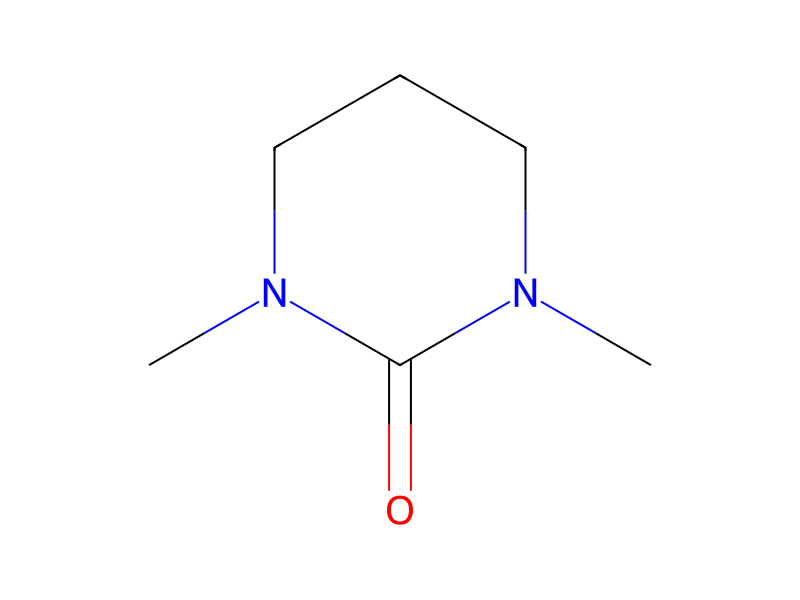
[CH2:1]([NH2:4])[CH2:2][SH:3].Cl.[OH-].[K+].Cl[C:9]1[CH:22]=[CH:21][C:20]2[S:19][C:18]3[C:13](=[CH:14][CH:15]=[CH:16][CH:17]=3)[C:12](=[O:23])[C:11]=2[CH:10]=1.CN1C(=O)N(C)CCC1.Cl>C1(C)C=CC=CC=1.O>[NH2:4][CH2:1][CH2:2][S:3][C:15]1[CH:16]=[CH:17][C:18]2[S:19][C:20]3[C:11](=[CH:10][CH:9]=[CH:22][CH:21]=3)[C:12](=[O:23])[C:13]=2[CH:14]=1Participants
8
Reactant 5




Product 1

Reagents, catalysts & solvents 2


Conditions
- Temperature
- 100 °C
Procedure
17.0 g (0.15 mol) of cysteaminium chloride and 19.8 g (0.3 mol) of potassium hydroxide are boiled for 3 hours on a water separator in 180 ml of toluene. 24.6 g (0.1 mol) of 2-chlorothioxanthone and 180 mol of dimethylpropyl-eneurea are added to the evaporated residue, and the mixture is stirred for 20 hours at 100° C. The reaction mixture is poured into 1 l of 2N hydrochloric acid and the aqueous phase is extracted with ethyl acetate. The aqueous phase is then adjusted to pH 10 and extracted with ethyl acetate. Work-up of the organic phase gives 24.0 g of the analytically pure compound IIIb.
Workup
- extractionthe aqueous phase is extracted with ethyl acetate
- extractionextracted with ethyl acetate
- customgives 24.0 g of the analytically pure compound IIIb
Sources & evidence
- ORD record
- ord-366630dcd511474087c4b01abebe1353
- Source dataset
- uspto-grants-1998_11
- Patent number
- US05837746
Linked notes
Loading…