HomeMCPWorkbenchSkills
HomeWorkbenchNotificationsMe
llms.txt · MCP GuidePrivacy Policy · Terms of Service · Supportv1.8.3
  1. Home
  2. /Reaction

Hydrochloric Acid → 5-Bromo-4-methylthiophene-2-carbaldehyde

HRID 357763
Print

Reaction equation

HRID 357763 reaction equation
[Cl-].[Al+3].[Cl-].[Cl-].[Br:5][C:6]1[S:7][CH:8]=[CH:9][C:10]=1[CH3:11].[CH3:12][O:13]C(Cl)Cl.Cl>ClCCl>[Br:5][C:6]1[S:7][C:8]([CH:12]=[O:13])=[CH:9][C:10]=1[CH3:11]
ParticipantsProcedureWorkupSources & evidenceReaction notes

Participants

6

Reactant 4

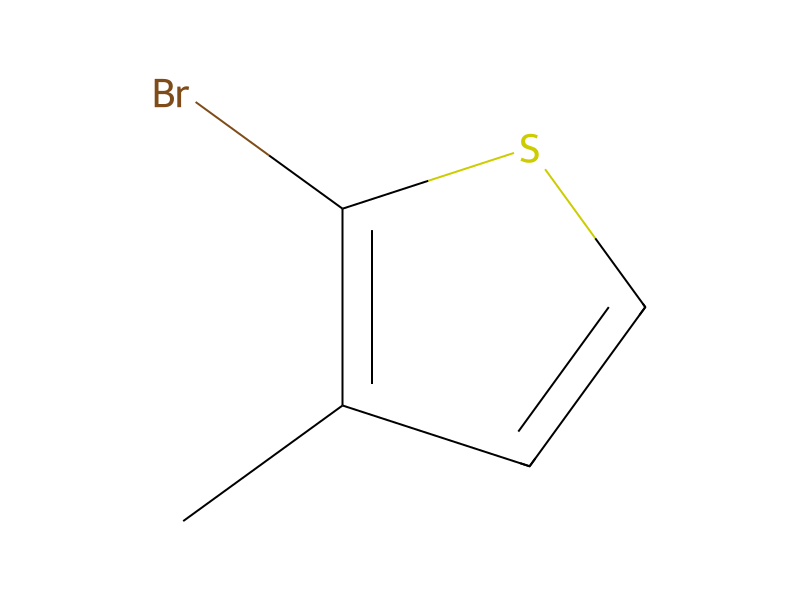
HCID 313Hydrochloric AcidHCID 21004Methane, dichloromethoxy-HCID 843142-Bromo-3-methylthiopheneHCID 6451240Aluminum(III) Chloride

Product 1

HCID 164141925-Bromo-4-methylthiophene-2-carbaldehydeYield 78%

Reagents, catalysts & solvents 1

HCID 6344
Dichloromethane
Solvent

Procedure

Aluminum chloride (14.6 g) was added portionwise to 2-bromo-3-methylthiophene (8.85 g) and dichloromethyl methyl ether (6.27 g) in dichloromethane (100 ml) under ice-cooling. The mixture was stirred at room temperature for 1 hour and poured into ice water, acidified with 1N hydrochloric acid and extracted with ethyl acetate. The extract was washed with aqueous sodium chloride, dried over anhydrous magnesium sulfate and concentrated under reduced pressure. The residue was purified by silica gel column chromatography to give 5-bromo-4-methyl-2-thiophenecarbaldehyde (8.0 g). 5-Bromo-4-methyl-2-thiophenecarbaldehyde (6.18 g) was dissolved in acetonitrile (100 ml), and sodium dihydrogen phosphate (1.3 g) in water (20 ml) and 30% aqueous hydrogen peroxide (3.8 ml) were added. Further sodium chlorite (4.07 g) in water (50 ml) was added dropwise under ice-cooling. The mixture was stirred at room temperature for 2 hours, alkalified with 1N aqueous sodium hydroxide and washed with diethyl ether. The aqueous layer was acidified with 1N hydrochloric acid and extracted with ethyl acetate. The extract was dried over anhydrous magnesium sulfate and concentrated under reduced pressure to give 5-bromo-4-methyl-2-thiophenecarboxylic acid (6.01 g) as crystals.


Workup

  1. temperaturecooling
  2. extractionextracted with ethyl acetate
  3. washThe extract was washed with aqueous sodium chloride
  4. dry with materialdried over anhydrous magnesium sulfate
  5. concentrationconcentrated under reduced pressure
  6. customThe residue was purified by silica gel column chromatography

Sources & evidence

ORD record
ord-2f420c06a8ae46ae96b4437f315c1eed
Source dataset
uspto-grants-1998_11
DOI
10.6084/m9.figshare.5104873.v1
Patent number
US05840917

Reaction notes

On this pageParticipantsProcedureWorkupSources & evidenceReaction notes