Reaction equation

[CH2:1]1[C@@H:6](O)[C@H:5](O)[C@@H:4]([O:9][C@@H:10]2[O:14][C@H](CO)[C@@H](O[C@H]3O[C@@H](CN)[C@@H](O)[C@H](O)[C@H]3N)[C@H:11]2[OH:29])[C@H:3]([O:30][C@H]2O[C@H](CN)[C@@H](O)[C@H](O)[C@H]2N)[C@H:2]1N.[CH2:43](O)[CH3:44].[CH3:46][C:47]([CH3:49])=O.[CH2:50]([OH:54])[CH2:51][CH2:52][CH3:53]>O.CO>[CH:47]1[CH:49]=[C:51]2[C:50]([C:10]([OH:14])([OH:9])[C:11](=[O:29])[C:52]2=[CH:53][CH:46]=1)=[O:54].[CH:50]1[C:4]2[C:3](=[O:30])[C:2]3[C:1](=[CH:46][CH:47]=[CH:43][CH:44]=3)[CH2:6][C:5]=2[CH:53]=[CH:52][CH:51]=1Participants
8
Reactant 4




Product 2
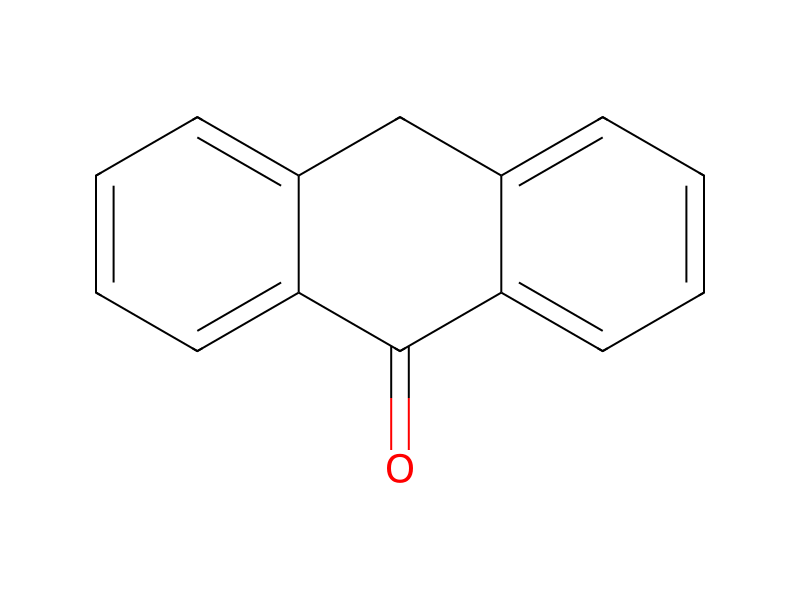

Reagents, catalysts & solvents 2


Procedure
The sulfates of Bu-2659 components are freely soluble in water, slightly soluble in methanol and ethanol but practically insoluble in n-butanol, acetone and other organic solvents. They give positive reactions with ninhydrin and anthrone reagents, but are negative in the Tollens, Fehling and Sakaguchi reactions. The thin layer chromatograms (TLC) of the Bu-2659 components are shown in Table 4 compared with those of neomycin, paromomycin and ribostamycin.
Sources & evidence
- ORD record
- ord-7d3d7c2f18974a12bc042b97e0b1f425
- Source dataset
- uspto-grants-1984_08
- Patent number
- US04468386
Linked notes
Loading…