Reaction equation

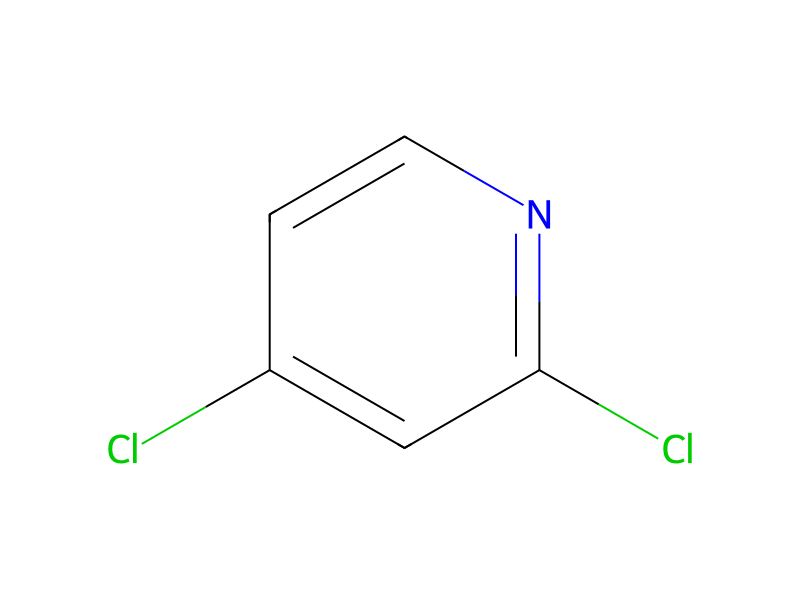
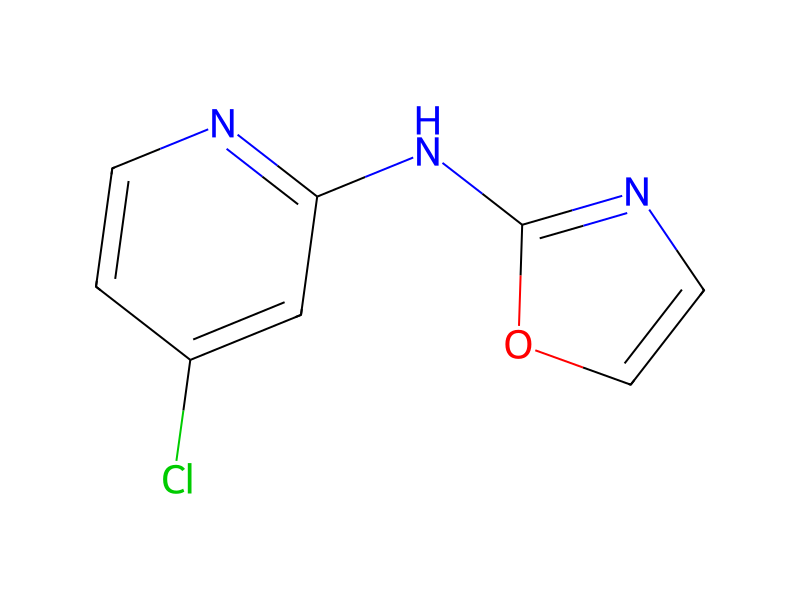
Clc1ccnc(Cl)c1.Nc1ncco1>C1COCCO1.CC1(C)c2cccc(P(c3ccccc3)c3ccccc3)c2Oc2c(P(c3ccccc3)c3ccccc3)cccc21.O=C(/C=C/c1ccccc1)/C=C/c1ccccc1.O=C(/C=C/c1ccccc1)/C=C/c1ccccc1.O=C(/C=C/c1ccccc1)/C=C/c1ccccc1.O=P([O-])([O-])[O-].[K+].[K+].[K+].[Pd].[Pd]>Clc1ccnc(Nc2ncco2)c1Participants
Reactant 2

Product 1
Reagents, catalysts & solvents 4




Conditions
- Temperature
- 160 °C
Procedure
Objective: Will increased catalyst loading lead to increased isolated yield of the desired product? 2,4-dichloropyridine (0.109 mL, 1.01 mmol), oxazol-2-amine (102 mg, 1.22 mmol), TRIS(DIBENZYLIDENEACETONE)DIPALLADIUM(0) (186 mg, 0.20 mmol), (9,9-dimethyl-9H-xanthene-4,5-diyl)bis(diphenylphosphine) (352 mg, 0.61 mmol) (Xantphos) and potassium phosphate (430 mg, 2.03 mmol) were added to a microwave vail and the vial was purged with nitrogen. Degassed dioxane (4mL) was then added and the reaction mixture was heated to 160 °C for 6 h under microwave irradiation. Dichloromethane (10 mL) was added to the crude reaction mixture and the mixture was adsorbed onto silica gel. The crude product was purified by flash silica chromatography, elution gradient 0 to 20% EtOAc in heptane. Unfortunately and somewhat surprisingly, none of the desired product was isolated, although only a trace of required product was observed in the LCMS of the crude reaction mixture. Conclusion: It appears that under this higher catalyst loading the reaction is less efficent, potentially a concentration effect?
Sources & evidence
- ORD record
- ord-4973899cb35d49cd8a53a56048cd33f7
- Source dataset
- 750 AstraZeneca ELN dataset
- Original link
- View source
Linked notes
Loading…