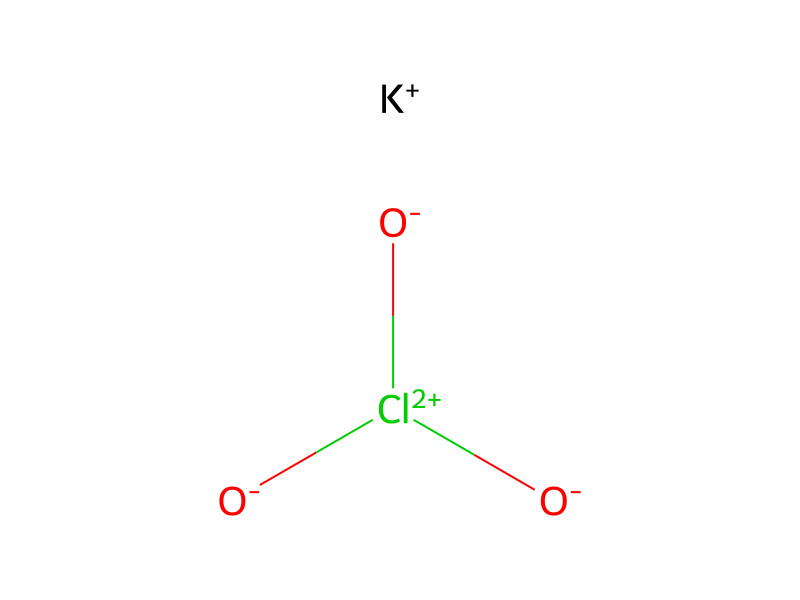
The procedure of Koch and Schnatterer, Synthesis ,1990, 499-501 was followed. To 2-hydroxy-5-nitropyridine (70.0 g, 0.5 mol) in 12 N hydrochloric acid was added dropwise a solution of potassium chlorate (21.4 g, 0.18 mol) in H2O (300 mL) at a rate such that the temperature remained ≤60° C. The mixture was allowed to stir for a further 30 minutes at ca. 50° C., then allowed to cool to ambient temperature, then was further cooled in an ice bath. The yellow solid was collected by filtration, washed with cold H2O, and dried under vacuum at 50° C. to afford 3-chloro-2-hydroxy-5-nitropyridine (72.4 g, 83%) as a yellow powder. To phosphorus oxychloride (37.4 mL, 0.4 mol) at 0° C. was added quinoline (23.6 mL, 0.2 mol), followed by 3-chloro-2-hydroxy-5-nitropyridine (70 g, 0.4 mol) from above. The mixture was heated at 120° C. for 2.5 hours, during which time it became a dark liquid. After cooling to 100° C., H2O (150 mL) was added cautiously, and the mixture was cooled to 0° C. The precipitated solid was collected by filtration, washed with cold H2O, and dried under vacuum at 50° C. to afford 2,3-dichloro-5-nitropyridine (68.6 g, 89%). To 2,3-dichloro-5-nitropyridine (68.5 g, 0.39 mol) in a mixture of H2O (800 mL) and acetic acid (160 mL) were added bits of metallic iron with stirring until the starting material was consumed (TLC analysis). The mixture was filtered, and the filter cake was washed repeatedly with EtOAc. The aqueous filtrate was extracted with EtOAc and the organic fractions were combined and concentrated. The residue was chromatographed (silica gel; MeOH: CHCl3, 0.5:99.5 to 1:99) to afford the title compound (44.5 g, 70%) as a light orange powder: MS (CI/NH3) m/z 163 and 165 (M+H+), 180 and 182 (M+NH4)+.