Cyclohexanol → Cyclohexyl vinylcarbamate
HRID 371338
Reaction equation

[CH:1]([N:3]=[C:4]=[O:5])=[CH2:2].[CH:6]1([OH:12])[CH2:11][CH2:10][CH2:9][CH2:8][CH2:7]1.C([O-])(=O)CCCCCCCCCCC.C([O-])(=O)CCCCCCCCCCC.C([Sn+2]CCCC)CCC>C(OCC)(=O)C>[CH:1]([NH:3][C:4](=[O:5])[O:12][CH:6]1[CH2:11][CH2:10][CH2:9][CH2:8][CH2:7]1)=[CH2:2]Participants
5
Reactant 3
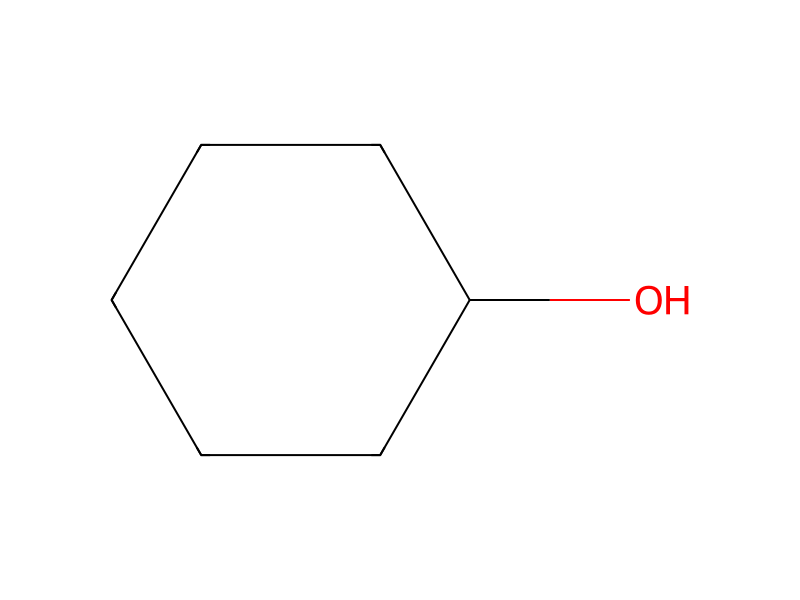


Product 1

Reagents, catalysts & solvents 1

Conditions
- Temperature