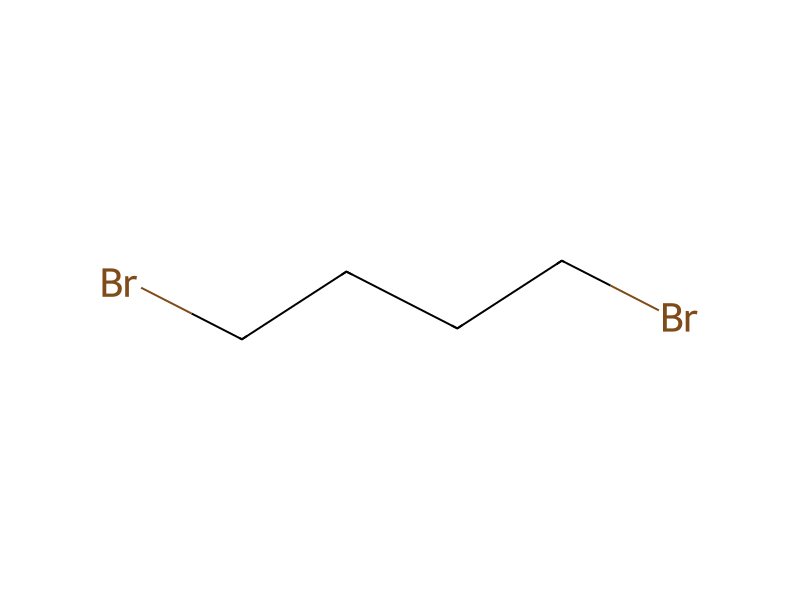
A solution of 12.0 g. of 5-chloro-3-phenylisoindole-1-carboxylic acid ethyl ester in 240 ml. of dimethylformamide is treated under nitrogen at -10° C. with 0.08 mol. of sodium hydride (3.5 g. of a 55% dispersion in mineral oil) and stirred in an ice-bath for 30 minutes. Then, there are added thereto at -10° C. 26.0 g. of 1,4-dibromobutane in one batch; the mixture is thereafter stirred at room temperature for 1 hour and subsequently heated at 60° C. for 18 hours. After cooling, the mixture is poured into 2 liters of ice-water, 100 g. of sodium chloride are added and the separated oily product is immediately extracted with methylene chloride. The organic phase, shielded from daylight, is washed with a solution of sodium chloride, dried over sodium sulfate and evaporated to dryness under reduced pressure. The resulting oil is taken up in chloroform and chromatographed on 500 g. of silica gel with chloroform/n-heptane/ethanol (10:10:1) as the eluant, care is taken that the eluate remains shielded from daylight. The uniform fractions are combined and evaporated, and there is obtained 2-(4-bromobutyl)-5-chloro-3-phenylisoindole-1-carboxylic acid ethyl ester as an oil, which has to be employed in the next stage as quickly as possible.