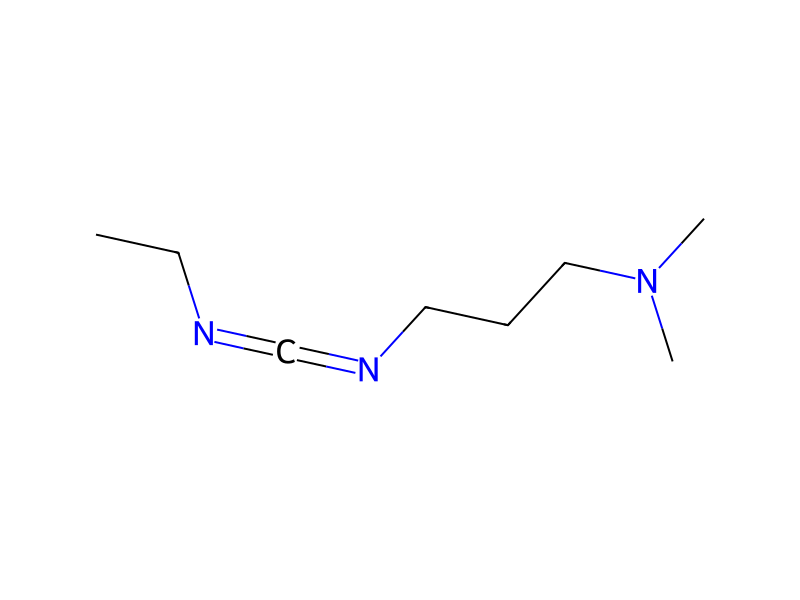
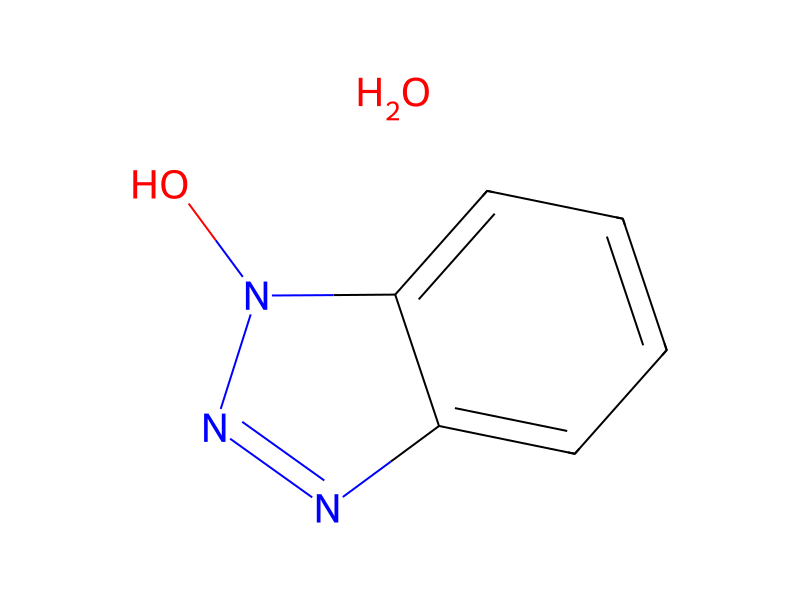
30 mg of 1-hydroxybenzotriazole hydrate, 0.66 g of 1-(3-dimethylaminopropyl)-3-ethylcarbodiimide and 0.6 cm3 of diisopropylethylamine are added to a solution of 1.1 g of (3AS,4S,5S,7AS)-7,7-diphenyl-4-(2-methoxyphenyl)perhydroisoindole-4,5-diol and 0.58 g of (S)-2-(2-methoxyphenyl)propanoic acid in 30 cm3 of dichloromethane, cooled to 0° C. The mixture is stirred at room temperature for 3 hours and 30 minutes and 100 cm3 of water and 50 cm3 of an aqueous saturated solution of sodium chloride are added. The organic phase is decanted, dried over magnesium sulphate and concentrated to dryness under reduced pressure (2.7 kPa). The yellow residue obtained is chromatographed on a Merck silica gel column (particle size 0.04-0.06 mm, diameter 2 cm, height 30 cm) by eluting under a nitrogen pressure of 50 kPa with a mixture of cyclohexane and ethyl acetate (60/40 by volume) and collecting fractions of 25 cm3. Fractions 6 to 14 are combined and then concentrated to dryness under reduced pressure (2.7 kPa). 0.9 g of (3AS,4S,5S,7AS)-7,7-diphenyl-4-(2-methoxyphenyl)-2-[S)- 2-(2methoxyphenyl)propionyl]perhydroisoindole-4,5-diol which melts at 256° C. is obtained.