HomeMCPWorkbenchSkills
HomeWorkbenchNotificationsMe
llms.txt · MCP GuidePrivacy Policy · Terms of Service · Supportv1.8.3
  1. Home
  2. /Reaction

Maleic Anhydride → Citric Acid

HRID 375907
Print

Reaction equation

HRID 375907 reaction equation
O.[C:2]([OH:14])(=[O:13])[CH2:3][C:4]([CH2:9][C:10]([OH:12])=[O:11])([C:6]([OH:8])=[O:7])[OH:5].[CH:15]([NH2:22])([NH2:21])[CH2:16][CH2:17][CH2:18][CH2:19][CH3:20].C1(=O)OC(=O)C=C1.[OH-].[NH4+]>O>[C:2]([OH:14])(=[O:13])[CH2:3][C:4]([CH2:9][C:10]([OH:12])=[O:11])([C:6]([OH:8])=[O:7])[OH:5].[CH:15]([NH2:22])([NH2:21])[CH2:16][CH2:17][CH2:18][CH2:19][CH3:20]
ParticipantsProcedureWorkupSources & evidenceReaction notes

Participants

7

Reactant 4

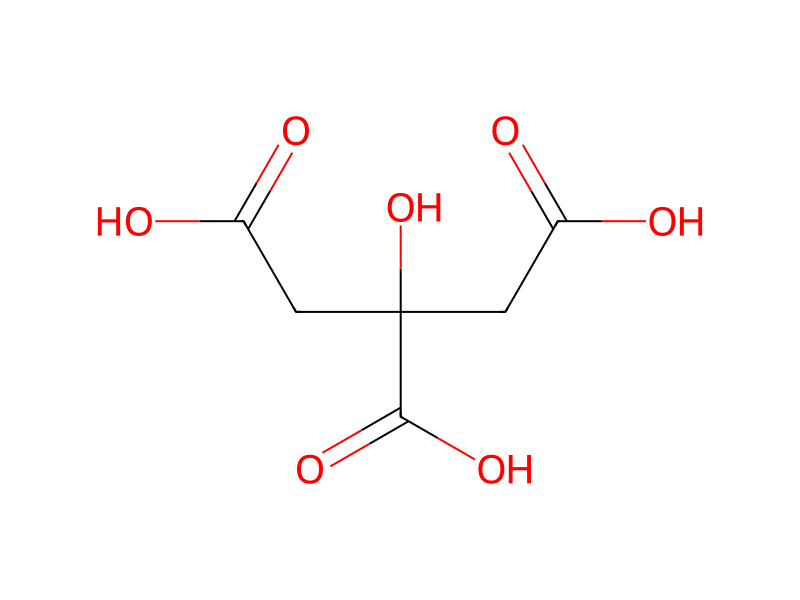
HCID 7923Maleic AnhydrideHCID 14923Ammonium HydroxideHCID 222302-Hydroxy-1,2,3-propanetricarboxylic acid hydrate (1:1)HCID 134940Hexanediamine

Product 2

HCID 311Citric AcidHCID 134940Hexanediamine

Reagents, catalysts & solvents 1

HCID 962WaterSolvent

Procedure

A solution of 2.1 g (0.01 moles) of citric acid monohydrate (Formula weight 210) and 0.32 g (0.0028 moles) hexanediamine was added to 19.6 g (0.2 mole) maleic anhydride which had been dissolved in 40 ml water at 80°-90° C., and finally 30 g of 30% aqueous solution of ammonium hydroxide (0.22 mol NH3) was added. This solution was evaporated to dryness over a period of 30 minutes. The solid was then heated at 195°-220° C. for 10 minutes, removed from the heat, allowed to cool and broken up with a spatula. The solid was then heated at 230°-245° C. for 10 minutes, removed from the heat, allowed to cool and broken up with a spatula. Finally, the solid was heated at 230°-245° C. for 10-15 minutes, removed from the heat and allowed to cool to room temperature. The resulting water insoluble polymer was slurried in 40.0 ml of water and a solution of 8.0 g of sodium hydroxide in 12 ml of water was added over 5 minutes. The solution was stirred for 10-20 minutes to give a clear red-brown solution, pH 10-11.0 of a copolymer of polyaspartic acid, citric acid and hexanediamine. The tests for CaSO4, Example 3, and CaCO3 (below) were run and the result are recorded in Table 2.

Workup

  1. customThis solution was evaporated to dryness over a period of 30 minutes
  2. temperatureThe solid was then heated at 195°-220° C. for 10 minutes
  3. customremoved from the heat
  4. temperatureto cool
  5. temperatureThe solid was then heated at 230°-245° C. for 10 minutes
  6. customremoved from the heat
  7. temperatureto cool
  8. temperatureFinally, the solid was heated at 230°-245° C. for 10-15 minutes
  9. customremoved from the
  10. temperatureheat
  11. additiona solution of 8.0 g of sodium hydroxide in 12 ml of water was added over 5 minutes

Sources & evidence

ORD record
ord-7bf05d39afc146caa26d61eb27722980
Source dataset
uspto-grants-1996_01
DOI
10.6084/m9.figshare.5104873.v1
Patent number
US05488088

Reaction notes

On this pageParticipantsProcedureWorkupSources & evidenceReaction notes