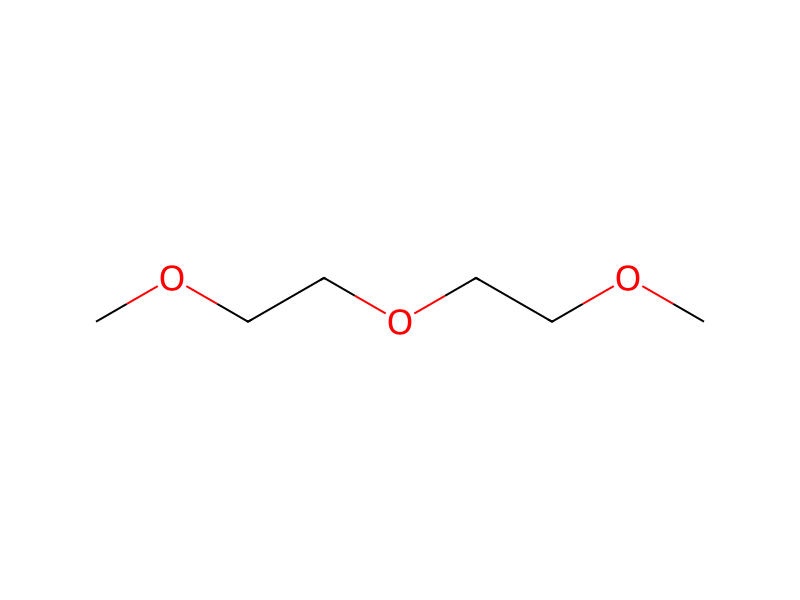
A solution of 2-chloro-4,6-dimethylpyridine (30 g, 0.212 mol) in diglyme (100 mL) was added over 25-30 min. to a refluxing solution of anhydrous piperazine (147 g, 1.70 mol) in diglyme (150 mL). Heating was continued for 18 h (whereby TLC showed absence of 2-chloro-4,6-dimethylpyridine), then the mixture was cooled to room temperature and diluted with water (3 L). Sodium chloride (50 g) was added and the solution was extracted with ethyl acetate (300 mL×3); the combined extracts were washed with brine (200 mL), dried over anhydrous sodium sulfate and concentrated in vacuo (up to 110° C. & ˜15 mmHg; to remove maximum diglyme) to afford 1-(4,6-dimethyl-pyridin-2-yl)-piperazine (42 g, 103.3%, the G.C. spectrum showed 86.4% product, 10.7% diglyme, and 2.1% dimer.)