Reaction equation

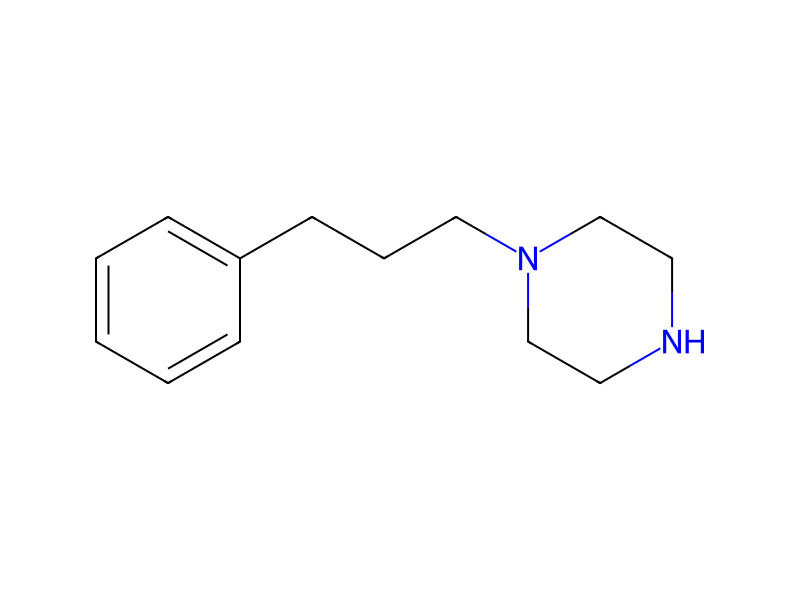
[C:1]1([CH2:7][CH2:8][CH2:9][N:10]2[CH2:15][CH2:14][NH:13][CH2:12][CH2:11]2)[CH:6]=[CH:5][CH:4]=[CH:3][CH:2]=1.[OH-].[K+].Br[CH2:19][CH2:20][CH2:21][Cl:22]>CS(C)=O>[ClH:22].[ClH:22].[C:1]1([CH2:7][CH2:8][CH2:9][N:10]2[CH2:11][CH2:12][N:13]([CH2:19][CH2:20][CH2:21][Cl:22])[CH2:14][CH2:15]2)[CH:6]=[CH:5][CH:4]=[CH:3][CH:2]=1Participants
5




Procedure
The procedure described in Example 17(a) was followed, using 36.0 g of (3-phenylpropyl)piperazine, 25.0 g of potassium hydroxide, 125 ml of dimethyl sulfoxide and 28.0 g of 1-bromo-3-chloropropane, to give 46.0 g (73% of theory) of 1-(3-phenylpropyl)-4-(3-chloropropyl)piperazine dihydrochloride.
Sources & evidence
- ORD record
- ord-249a67ffce174364b0ae5c54cd4ac01c
- Source dataset
- uspto-grants-1988_02
- Patent number
- US04722926
Linked notes
Loading…