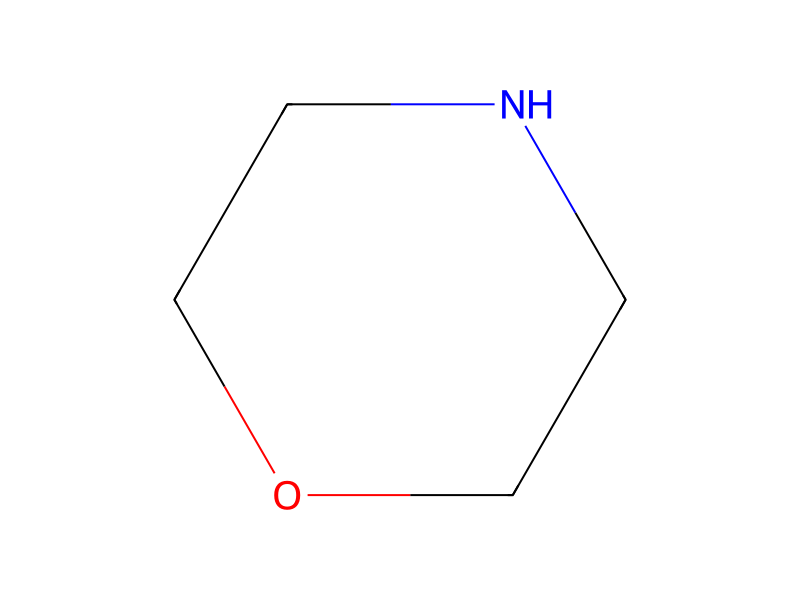
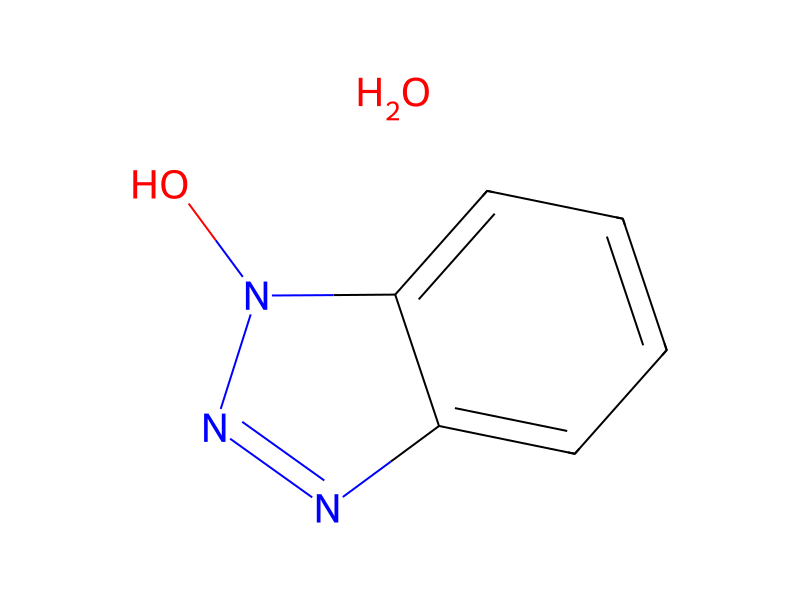
[OH:1][C:2]1[CH:3]=[C:4]([CH:10]=[CH:11][CH:12]=1)[O:5][CH2:6][C:7]([OH:9])=O.Cl.CN(C)CCCN=C=NCC.O.N1(O)C2C=CC=CC=2N=N1.[NH:36]1[CH2:41][CH2:40][O:39][CH2:38][CH2:37]1>CN(C=O)C>[N:36]1([C:7](=[O:9])[CH2:6][O:5][C:4]2[CH:3]=[C:2]([OH:1])[CH:12]=[CH:11][CH:10]=2)[CH2:41][CH2:40][O:39][CH2:38][CH2:37]1To a solution of (3-hydroxyphenoxy)acetic acid (246 mg) in DMF (10 mL) were added N-[3-(dimethylamino)propyl]-N′-ethylcarbodiimide hydrochloride (336 mg), 1H-benzotriazol-1-ol hydrate (268 mg) and morpholine (153 μL) at room temperature, followed by overnight stirring at room temperature. The solution was concentrated under reduced pressure, and water was added to the residue, followed by extraction with ethyl acetate. The organic layer was washed sequentially with water and saturated brine and then dried over anhydrous magnesium sulfate, and the solvent was evaporated under reduced pressure. The residue was purified by silica gel column chromatography (eluent: chloroform/methanol=100/0-95/5) to obtain 3-(2-(morpholin-4-yl)-2-oxoethoxy)phenol (305 mg).