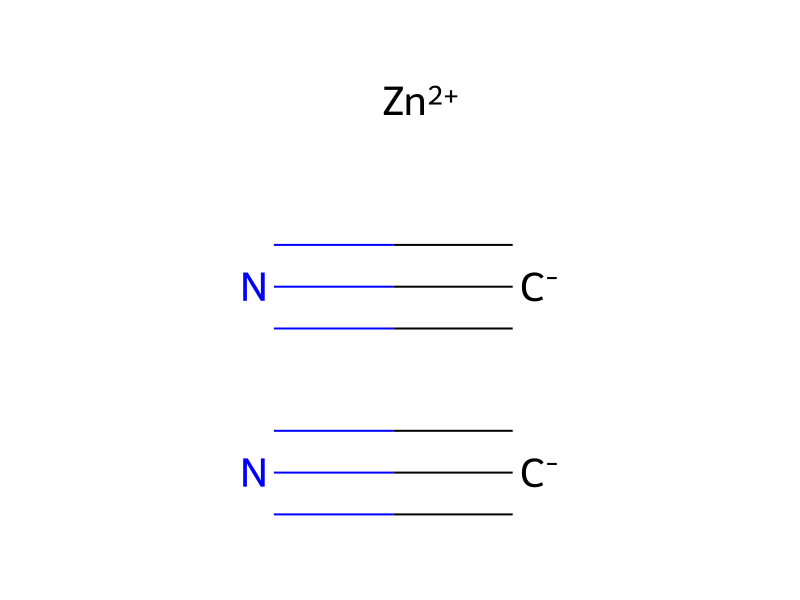
Zinc cyanide (744 mg), potassium hydroxide (470 mg) and tetrakis(triphenylphosphine)palladium (0) (1.82 g) were sequentially added to a solution of 1-oxo-1,2,3,4-tetrahydroisoquinolin-6-yl trifluoromethanesulfonate (1.55 g) in NMP (15 ml), followed by stirring at 120° C. for 3 hours. Chloroform was added to the reaction solution, the precipitated solid was separated by filtration, and the solvent of the filtrate was evaporated. The residue was purified by silica gel chromatography (hexane:ethyl acetate=100:0 to 0:100), and the solvent was evaporated under reduced pressure. Subsequently, ethylene glycol (10 ml) and 3M aqueous sodium hydroxide solution (30 ml) were added to the resulting residue, followed by stirring at 100° C. for 3 hours. After cooling to room temperature, water was added thereto, followed by extraction with diethylether. Concentrated hydrochloric acid was added to the aqueous layer, the pH was adjusted to 2 to 3, ethyl acetate was added for re-extraction, the organic layer was washed with saturated brine, and the solvent was evaporated under reduced pressure. Ethyl acetate was added, and the solid was precipitated, filtered and dried under vacuum to obtain, as a colorless solid, 1-oxo-1,2,3,4-tetrahydroisoquinoline-6-carboxylic acid (324 mg).