HomeMCPWorkbenchSkills
HomeWorkbenchNotificationsMe
llms.txt · MCP GuidePrivacy Policy · Terms of Service · Supportv1.8.3
  1. Home
  2. /Reaction

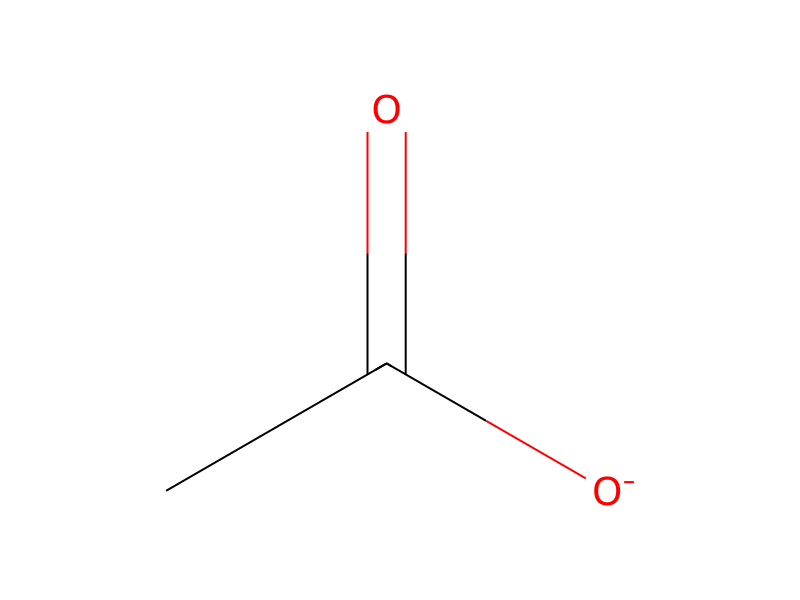
Acetate → 2-Acetyl-4,4-dimethyl-1,3-cyclohexanedione

HRID 393912
Print

Reaction equation

HRID 393912 reaction equation
[C:1](OC1C=CC([N+]([O-])=O)=CC=1)(=[O:3])[CH3:2].[CH3:14][C:15]1([CH3:23])[CH2:20][CH2:19][C:18](=[O:21])[CH2:17][C:16]1=[O:22].C(N(CC)CC)C.CC(C)(O)C#N.C([O-])(=O)C>C(#N)C>[C:1]([CH:17]1[C:16](=[O:22])[C:15]([CH3:23])([CH3:14])[CH2:20][CH2:19][C:18]1=[O:21])(=[O:3])[CH3:2]
ParticipantsProcedureWorkupSources & evidenceReaction notes

Participants

7

Reactant 5

HCID 175Acetate2×HCID 6406Acetone CyanohydrinHCID 8471TriethylamineHCID 132434-Nitrophenyl AcetateHCID 1363601,3-Cyclohexanedione, 4,4-dimethyl-

Product 1

HCID 226483272-Acetyl-4,4-dimethyl-1,3-cyclohexanedione

Reagents, catalysts & solvents

1
HCID 6342AcetonitrileSolvent

Procedure

A 50-mL single neck round bottom flask was charged with 4-nitrophenyl acetate (2.03 g, 11.2 mmol), 4,4-dimethyl-1,3-cyclohexanedione (2.10 g, 15 mmol) and acetonitrile (15 mL). Then triethylamine (2.5 g, 25 mmol) and acetone cyanohydrin (0.14 mL, 1.5 mmol) were added and the mixture was stirred for 2 hours at ambient temperature. NMR analysis of an aliquot showed that 43% of the starting acetate was still unreacted. The mixture was then refluxed for 2 hours after which time NMR analysis of an aliquot showed no starting acetate remaining.

Workup

  1. temperatureThe mixture was then refluxed for 2 hours after which time NMR analysis of an aliquot

Sources & evidence

ORD record
ord-b34dc7bdba6e4b3cb799809b55c73a42
Source dataset
uspto-grants-2004_10
DOI
10.6084/m9.figshare.5104873.v1
Patent number
US06809206B2

Reaction notes

On this pageParticipantsProcedureWorkupSources & evidenceReaction notes