Reaction equation

[H-].[Na+].[CH:3]1([OH:9])[CH2:8][CH2:7][CH2:6][CH2:5][CH2:4]1.[CH2:10]([N:17]1[C:21]2[N:22]=[CH:23][N:24]=[C:25](Cl)[C:20]=2[CH:19]=[CH:18]1)[C:11]1[CH:16]=[CH:15][CH:14]=[CH:13][CH:12]=1.Cl>C1COCC1>[CH2:10]([N:17]1[C:21]2[N:22]=[CH:23][N:24]=[C:25]([O:9][CH:3]3[CH2:8][CH2:7][CH2:6][CH2:5][CH2:4]3)[C:20]=2[CH:19]=[CH:18]1)[C:11]1[CH:12]=[CH:13][CH:14]=[CH:15][CH:16]=1Participants
6

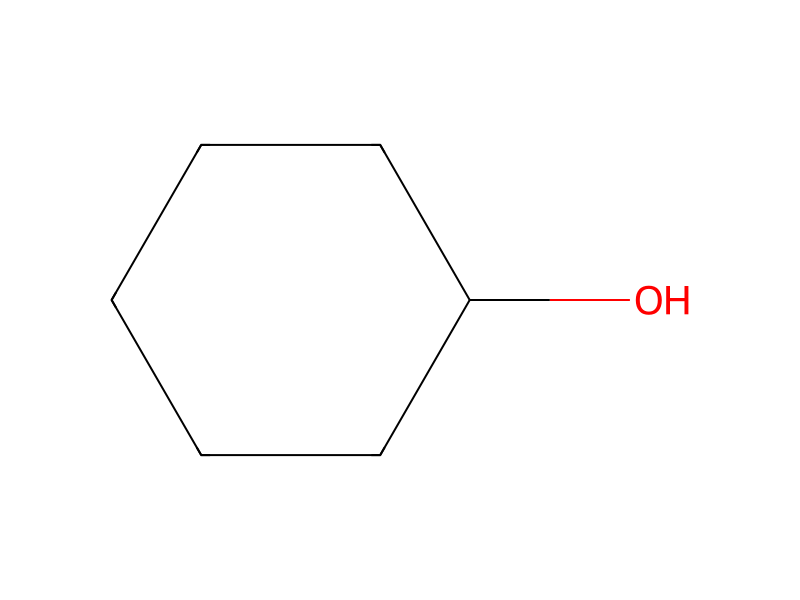




Conditions
- Temperature
- 0 °C
Procedure
To a flame dried flask under nitrogen was charged 84 mg (2.10 mmol) of 60% sodium hydride in mineral oil and 3.0 mL of THF and the mixture cooled to 0° C. Cyclohexanol (0.18 mL/1.70 mmol) was added and the reaction mixture stirred for 5 min. A solution of 102 mg (0.419 mmol) of the product from Method L in 1.0 mL of THF was added and the mixture heated to reflux for 3 h. After cooling to room temperature, the reaction mixture was acidified to pH 1 with 2 N HCl and concentrated in vacuo. The resulting residue was then slurried in ethyl acetate, filtered and the filtrate concentrated in vacuo to provide 76 mg (59%) of the title compound as an oil. LRMS: 308 (M+1).
Workup
- customTo a flame dried flask under nitrogen
- temperaturethe mixture heated
- temperatureto reflux for 3 h
- temperatureAfter cooling to room temperature
- concentrationconcentrated in vacuo
- filtrationfiltered
- concentrationthe filtrate concentrated in vacuo
Sources & evidence
- ORD record
- ord-1af6729f32d649eb86ec7855e7a28507
- Source dataset
- uspto-grants-2003_08
- Patent number
- US06610847B2
Linked notes
Loading…