HomeMCPSkillsWorkbenchOpenChem
HomeWorkbenchNotificationsMe
llms.txt · skill.md · MCP GuidePrivacy Policy · Terms of Service · Supportv1.8.5
  1. Home
  2. /Reaction

Diisopropylamine → 2-(4-Chloro-3-nitrophenyl)-3-cyclopentyl-propionic acid methyl ester

HRID 398442
Print

Reaction equation

C(NC(C)C)(C)C.C([Li])CCC.[CH3:13][O:14][C:15](=[O:27])[CH2:16][C:17]1[CH:22]=[CH:21][C:20]([Cl:23])=[C:19]([N+:24]([O-:26])=[O:25])[CH:18]=1.I[CH2:29][CH:30]1[CH2:34][CH2:33][CH2:32][CH2:31]1>O1CCCC1.CN1CCCN(C)C1=O>[CH3:13][O:14][C:15](=[O:27])[CH:16]([C:17]1[CH:22]=[CH:21][C:20]([Cl:23])=[C:19]([N+:24]([O-:26])=[O:25])[CH:18]=1)[CH2:29][CH:30]1[CH2:34][CH2:33][CH2:32][CH2:31]1
ParticipantsConditionsProcedureWorkupSources & evidenceReaction notes

Participants

7

Reactant 4

HCID 7912DiisopropylamineHCID 2762531(Iodomethyl)cyclopentaneHCID 12069505Methyl 2-(4-chloro-3-nitrophenyl)acetateHCID 178418339Butyllithium

Product 1

HCID 120695062-(4-Chloro-3-nitrophenyl)-3-cyclopentyl-propionic acid methyl esterYield 32%

Reagents, catalysts & solvents 2

HCID 8028
Tetrahydrofuran
Solvent
3×
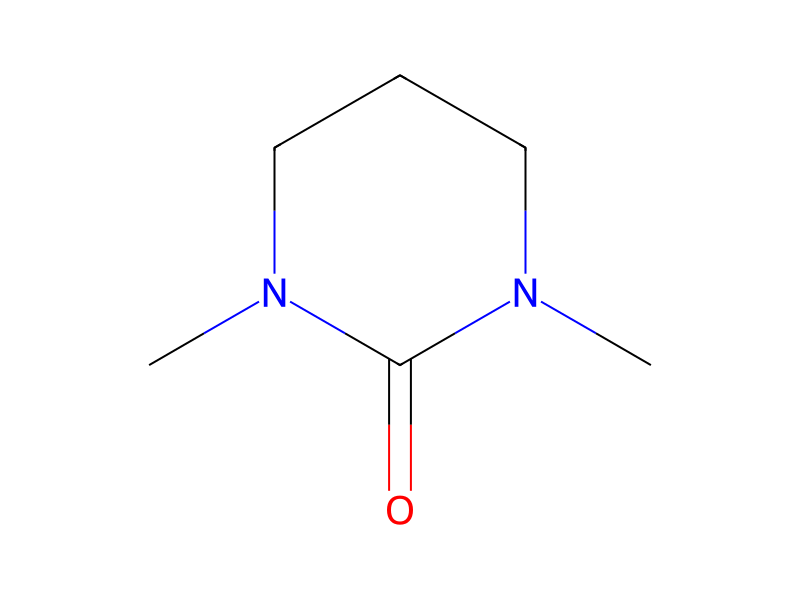
HCID 816462(1H)-Pyrimidinone, tetrahydro-1,3-dimethyl-Solvent

Conditions

Temperature
-78 °C

Procedure

A solution of diisopropylamine (3.35 mL, 23.9 mmol) in dry tetrahydrofuran (45 mL) and 1,3-dimethyl-3,4,5,6-tetrahydro-2(1H)-pyrimidinone (15 mL) was cooled to −78° C. and then treated dropwise with a 2.5M solution of n-butyllithium in hexanes (9.56 mL, 23.9 mmol) over a 10 min period. The pale yellow reaction mixture was stirred at −78° C. for 20 min and then slowly treated with a solution of 4-chloro-3-nitrophenylacetic acid methyl ester (5.00 g, 21.8 mmol) in a small amount of tetrahydrofuran over a 15 min period. The reaction mixture turned deep purple (almost black) in color. The reaction mixture was then stirred at −78° C. for 1 h, at which time, a solution of iodomethylcyclopentane (4.58 g, 21.8 mol) in a small amount of dry tetrahydrofuran was added dropwise. The reaction mixture was then stirred at −78° C. and then allowed to warm to 25° C. where it was stirred for 48 h. The reaction mixture was quenched with a saturated aqueous ammonium chloride solution (50 mL), and the resulting reaction mixture was concentrated in vacuo to remove tetrahydrofuran. The remaining residue was diluted with ethyl acetate (150 mL) and water (50 mL). The organic phase was washed with a saturated aqueous sodium chloride solution, dried over magnesium sulfate, filtered, and concentrated in vacuo. Flash chromatography (Merck Silica gel 60, 230-400 mesh, 4/1 hexanes/ethyl acetate) afforded 2-(4-chloro-3-nitrophenyl)-3-cyclopentyl-propionic acid methyl ester (2.17 g, 32%) as a yellow oil: EI-HRMS m/e calcd for C15H18ClNO4 (M+) 311.0924, found 311.0927.


Workup

  1. stirringThe reaction mixture was then stirred at −78° C. for 1 h, at which time
  2. stirringThe reaction mixture was then stirred at −78° C.
  3. temperatureto warm to 25° C. where it
  4. stirringwas stirred for 48 h
  5. customThe reaction mixture was quenched with a saturated aqueous ammonium chloride solution (50 mL)
  6. customthe resulting reaction mixture
  7. concentrationwas concentrated in vacuo
  8. customto remove tetrahydrofuran
  9. additionThe remaining residue was diluted with ethyl acetate (150 mL) and water (50 mL)
  10. washThe organic phase was washed with a saturated aqueous sodium chloride solution
  11. dry with materialdried over magnesium sulfate
  12. filtrationfiltered
  13. concentrationconcentrated in vacuo

Sources & evidence

ORD record
ord-415b2720e5aa4aa29ec5202105f5353f
Source dataset
uspto-grants-2003_08
DOI
10.6084/m9.figshare.5104873.v1
Patent number
US06610846B1

Reaction notes

On this pageParticipantsConditionsProcedureWorkupSources & evidenceReaction notes