HomeMCPWorkbenchSkills
HomeWorkbenchNotificationsMe
llms.txt · MCP GuidePrivacy Policy · Terms of Service · Supportv1.8.3
  1. Home
  2. /Reaction

Hydrochloric Acid → HCID 178515546, compound

HRID 398725
Print

Reaction equation

HRID 398725 reaction equation
O[C:2]1[CH:3]=[CH:4][CH:5]=[C:6]2[C:11]=1[N:10]=[CH:9][CH:8]=[CH:7]2.C=O.Cl.NCCC[Si](OCC)(OCC)[O:20]CC.C[Si](C)(C)Cl.[N+](C1C=CC=CC=1)([O-])=O>C(N(CC)CC)C>[OH:20][C:9]1[CH:8]=[CH:7][C:6]2[C:11](=[CH:2][CH:3]=[CH:4][CH:5]=2)[N:10]=1


ParticipantsProcedureSources & evidenceReaction notes

Participants

8

Reactant 6

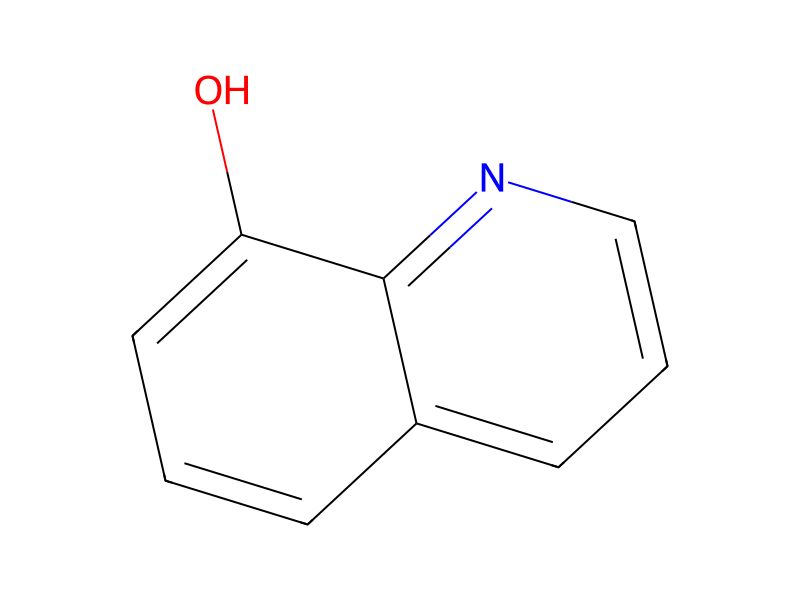
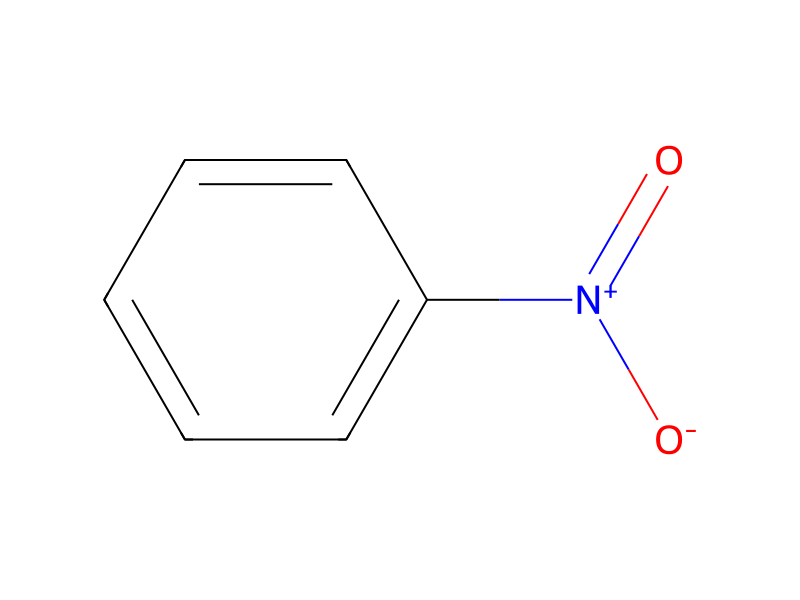
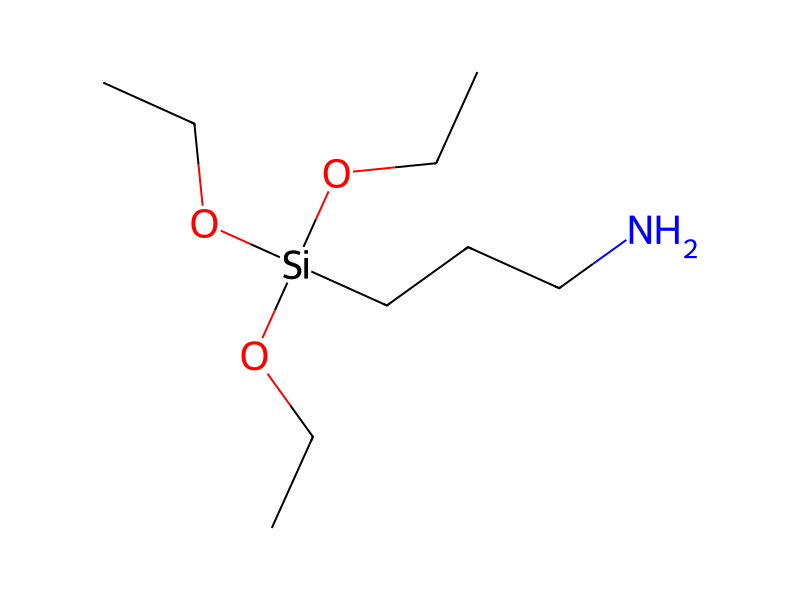
HCID 313Hydrochloric AcidHCID 712FormaldehydeHCID 19238-HydroxyquinolineHCID 6397ChlorotrimethylsilaneHCID 7416NitrobenzeneHCID 13521(3-Aminopropyl)triethoxysilane

Product 1

HCID 178515546
HCID 178515546, compound

Reagents, catalysts & solvents 1

HCID 8471TriethylamineSolvent

Procedure

Preferably, Route A can be used. A chloromethylated ligand can be prepared, for example, by reacting 8-hydroxyquinoline with formaldehyde and hydrochloric acid. That derivative is further reacted with γ-aminopropyltriethoxysilane in the presence of trimethylchlorosilane and triethylamine and nitrobenzene. Next, the prepared organosilicon derivative is reacted with the support to obtain hydroxyquinoline modified silica gel. A sample of this sequence of reactions is described in further detail in Example 2 below.

Sources & evidence

ORD record
ord-bf4e855ddde84503a7f4c7bcf902b01c
Source dataset
uspto-grants-1998_10
DOI
10.6084/m9.figshare.5104873.v1
Patent number
US05817239

Reaction notes

On this pageParticipantsProcedureSources & evidenceReaction notes