HomeMCPWorkbenchSkills
HomeWorkbenchNotificationsMe
llms.txt · MCP GuidePrivacy Policy · Terms of Service · Supportv1.8.0
  1. Home
  2. /Reaction

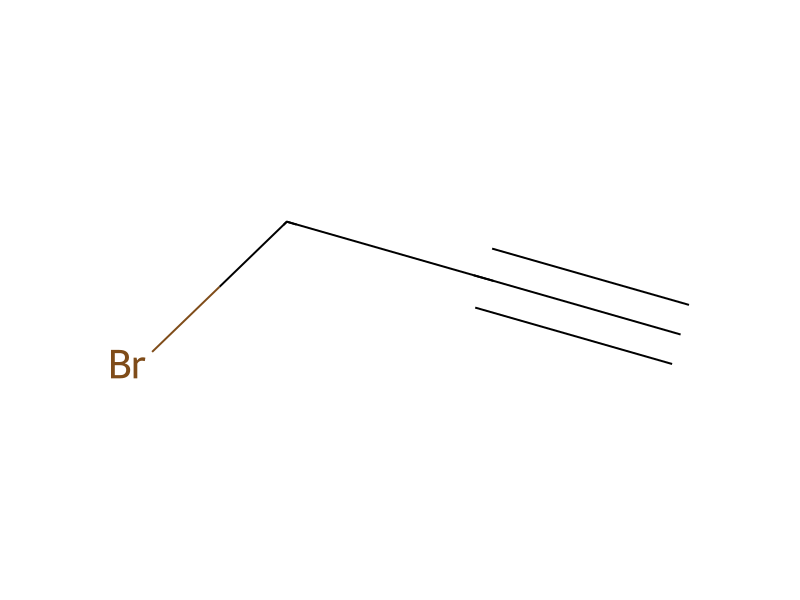
Propargyl bromide → 4-phenyl-1-propargyl-1,8-naphthyridin-2(1H)-one

HRID 398838
Notes
Print preview

Reaction equation

HRID 398838 reaction equation
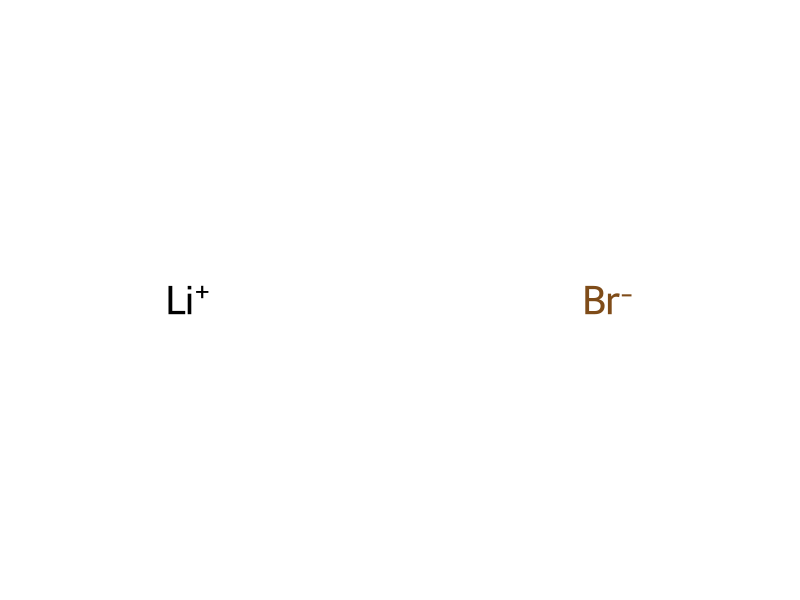
[H-].[Na+].[C:3]1([C:9]2[C:18]3[C:13](=[N:14][CH:15]=[CH:16][CH:17]=3)[NH:12][C:11](=[O:19])[CH:10]=2)[CH:8]=[CH:7][CH:6]=[CH:5][CH:4]=1.[CH2:20](Br)[C:21]#[CH:22].[Br-].[Li+]>[Cl-].[Na+].O.O1CCOCC1>[C:3]1([C:9]2[C:18]3[C:13](=[N:14][CH:15]=[CH:16][CH:17]=3)[N:12]([CH2:22][C:21]#[CH:20])[C:11](=[O:19])[CH:10]=2)[CH:4]=[CH:5][CH:6]=[CH:7][CH:8]=1
ParticipantsConditionsProcedureWorkupSources & evidenceReaction notes

Participants

7

Reactant 4

HCID 7842Propargyl bromideHCID 24758Sodium hydrideHCID 82050Lithium BromideHCID 11117620HCID 11117620, compound

Product 1

HCID 189692124-phenyl-1-propargyl-1,8-naphthyridin-2(1H)-oneYield 9%

Reagents, catalysts & solvents 2

HCID 31275
1,4-Dioxane
Solvent
HCID 57417360Sodium chloride; waterSolvent

Conditions

Temperature
110 °C

Procedure

Sodium hydride (210 mg, 60% dispersion) was added to a dioxane solution (100 ml) of 4-phenyl-1,8-naphthyridin-2(1H)-one (1.01 g, 4.55 mmol), and the mixture was stirred at 110° C. for 30 minutes. After cooling to room temperature, propargyl bromide (650 mg, 5.46 mmol) and lithium bromide (830 mg, 9.55 mmol) were added, and the mixture was heated under reflux for 2 days. After cooling to room temperature, brine was added, and the mixture was extracted with chloroform. The organic layer was washed with brine and dried over anhydrous sodium sulfate. After removing sodium sulfate by filtration, the solvent was evaporated under reduced pressure and the resulting residue was purified by silica gel column chromatography (hexane-ethyl acetate) and further recrystallized from diisopropyl ether to give 4-phenyl-1-propargyl-1,8-naphthyridin-2(1H)-one (107 mg, 9%).

Workup

  1. temperatureAfter cooling to room temperature
  2. temperaturethe mixture was heated
  3. temperatureunder reflux for 2 days
  4. temperatureAfter cooling to room temperature
  5. extractionthe mixture was extracted with chloroform
  6. washThe organic layer was washed with brine
  7. dry with materialdried over anhydrous sodium sulfate
  8. customAfter removing sodium sulfate
  9. filtrationby filtration
  10. customthe solvent was evaporated under reduced pressure
  11. customthe resulting residue was purified by silica gel column chromatography (hexane-ethyl acetate)
  12. customfurther recrystallized from diisopropyl ether

Sources & evidence

ORD record
ord-d2ca84d8801d4073ab639c8d4872f084
Source dataset
uspto-grants-1998_10
DOI
10.6084/m9.figshare.5104873.v1
Patent number
US05817670

Reaction notes

Loading…

On this pageParticipantsConditionsProcedureWorkupSources & evidenceReaction notes