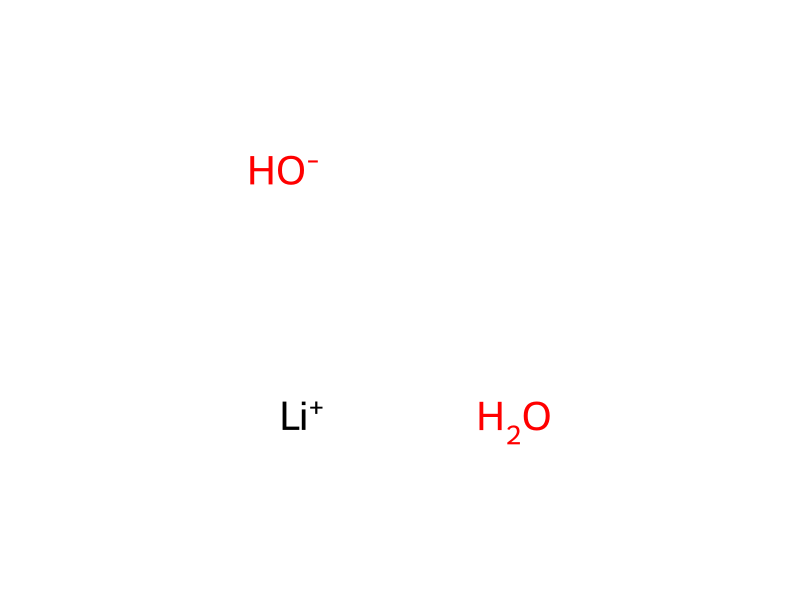
[NH2:1][C:2]1[N:7]=[C:6]([NH2:8])[C:5]([OH:9])=[C:4]([CH2:10][CH3:11])[N:3]=1.O.[OH-].[Li+].[Cl:15][C:16]1[CH:17]=[C:18]2[C:23](=[CH:24][CH:25]=1)[N:22]=[CH:21][CH:20]=[C:19]2[O:26][CH2:27][CH2:28][CH2:29]Br.ClCCl>CN(C=O)C>[NH2:1][C:2]1[N:7]=[C:6]([NH2:8])[C:5]([O:9][CH2:29][CH2:28][CH2:27][O:26][C:19]2[C:18]3[C:23](=[CH:24][CH:25]=[C:16]([Cl:15])[CH:17]=3)[N:22]=[CH:21][CH:20]=2)=[C:4]([CH2:10][CH3:11])[N:3]=12,4-Diamino-6-ethyl-5-hydroxypyrimidine (1.39 g, 9 mmol) was added to a stirred solution of lithium hydroxide monohydrate (1.32 g, 31.50 mmol) in DMF (5 mL) and the reaction mixture was stirred at 25° C. for 1 hour. A solution of 3-(6-chloroquinolin-4-yloxy)propyl bromide (2.71 g, 9 mmol) in DMF (3 mL) was added and the reaction mixture was left stirring at 25° C. overnight. DMF was partially removed under reduced pressure to give residue. The residue was digested with dichloromethane and filtered to give white solid. Recrystallization with aqueous methanol and hot water afforded the desired diaminopyrimidine as white solid (1.85 g, 55%, m.p. 230-231° C. (dec.)). 1H NMR (500 MHz, DMSO-d6): 0.91 (3H, t, J=7.6 Hz), 2.26 (2H, q, J=7.6 Hz), 2.31 (2H, m), 3.86 (2H, t, J=6 Hz), 4.45 (2H, t, J=5.9 Hz), 5.59 (2H, s), 6.17, (2H, s), 7.15 (1H, d, J=5.3 Hz), 7.76 (1H, dd, J=9.0, 2.4 Hz), 7.98 (1H, d, J=9.0 Hz), 8.14 (1H, d, J=2.4 Hz), 8.77 (1H, d, J=5.2 Hz).