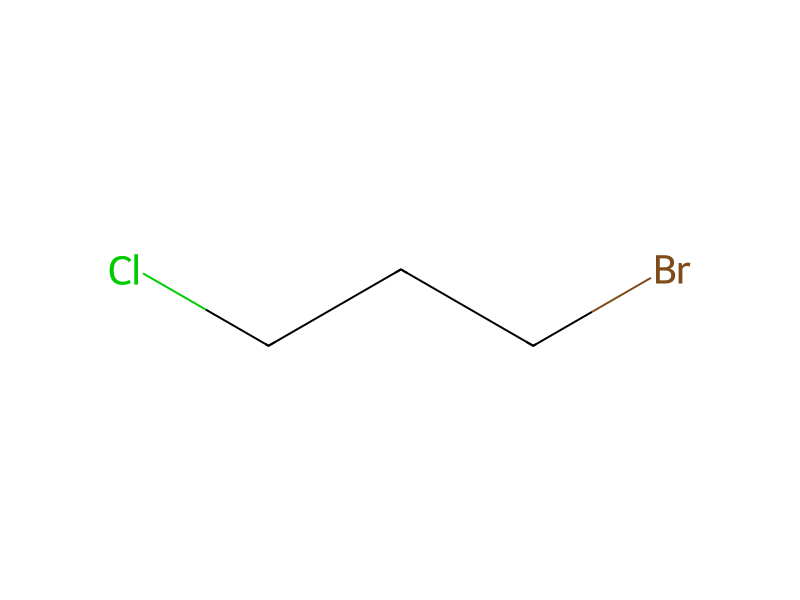
To a solution of ethyl-3-hydroxybenzoate (5.0 g, 30 mmol) in acetone (250 ml) at rt was added 1-bromo-3-chloro-propane (5.67 g, 36 mmol) and K2CO3 (12.4 g, 90 mmol). The resulting suspension was heated to reflux where it was maintained for 25 h. After this time, the mixture was concentrated under reduced pressure and the resulting solid was partitioned between H2O and EtOAc. The organic phase was separated and the aqueous phase was extracted with additional EtOAc. The combined organic fractions were washed with 1N HCl and brine, dried (Na2SO4), filtered and concentrated under reduced pressure to provide the crude product. Purification by chromatography on silica eluting with 5% EtOAc/hexane gave 3-(3-chloro-propoxy)-benzoic acid ethyl ester as a colourless oil (5.0 g, 68%).