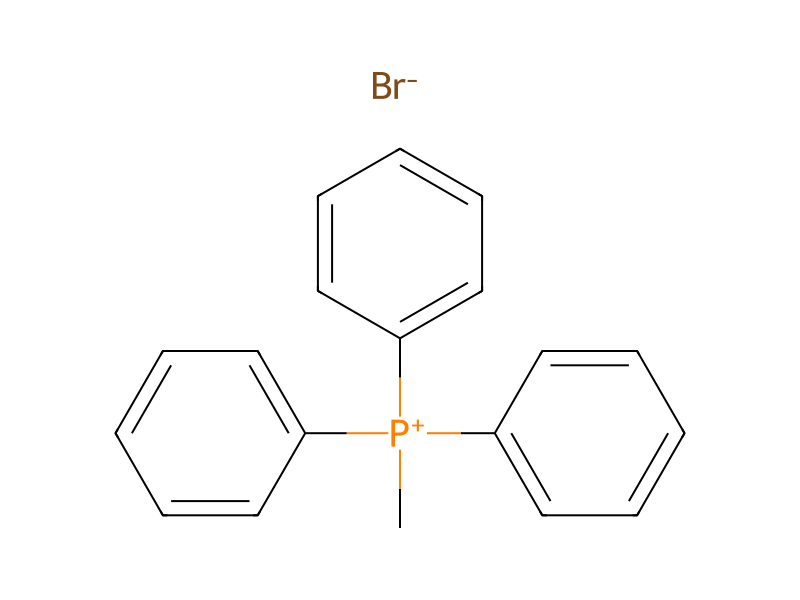
[CH3:1]C(C)([O-])C.[K+].[C:7]([C:11]1[CH:12]=[C:13]([CH:16]=[C:17]([C:19]([CH3:22])([CH3:21])[CH3:20])[CH:18]=1)[CH:14]=O)([CH3:10])([CH3:9])[CH3:8].CC(C)=O>[Br-].C[P+](C1C=CC=CC=1)(C1C=CC=CC=1)C1C=CC=CC=1.O1CCCC1>[C:7]([C:11]1[CH:12]=[C:13]([CH:16]=[C:17]([C:19]([CH3:22])([CH3:21])[CH3:20])[CH:18]=1)[CH:14]=[CH2:1])([CH3:10])([CH3:9])[CH3:8]Dry tetrahydrofuran (80 ml) was added to a mixture of potassium t-butoxide (6.740 g, 60.06 mmoles) and methyltriphenylphosphonium bromide (24.276 g, 60.06 mmoles) and stirred at room temperature for 30 minutes. A solution of 3,5-di-t-butylbenzaldehyde (10.087 g, 46.20 mmoles) in dry tetrahydrofuran (30 ml) was then added and the reaction mixture was stirred at room temperature for 17 hours. Acetone (50 ml) was then added and then all of the solvent was removed under vacuum. Pet. ether (60-80, 150 ml) was then added to the residue and the mixture was stirred vigorously for 30 minutes. The solution was then filtered through silica, rinsing thoroughly with pet. ether (60-80) and the solvent removed under vacuum to give 3,5-di-t-butylstyrene (9.302 g, 93%).