HomeMCPWorkbenchSkills
HomeWorkbenchNotificationsMe
llms.txt · MCP GuidePrivacy Policy · Terms of Service · Supportv1.8.3
  1. Home
  2. /Reaction

Bromobenzene → Benzene, (1,1-dimethylethoxy)-

HRID 412746
Print

Reaction equation

HRID 412746 reaction equation
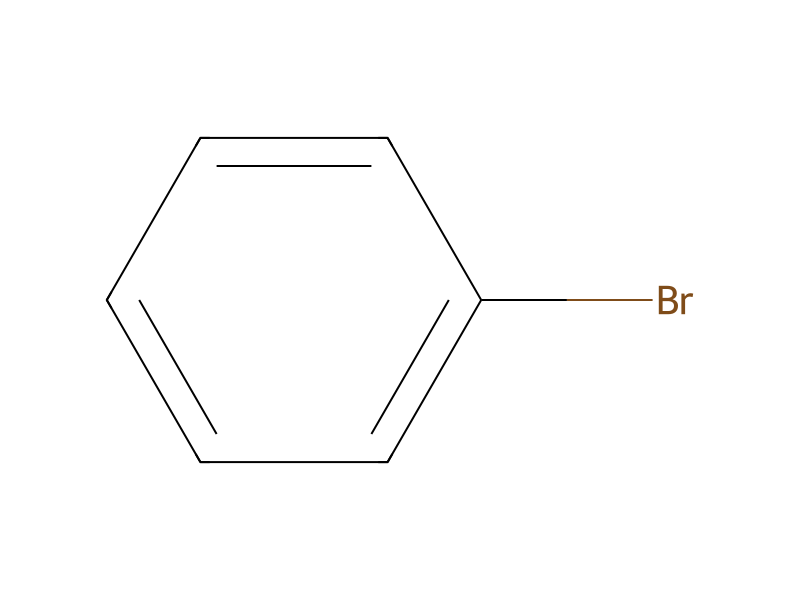
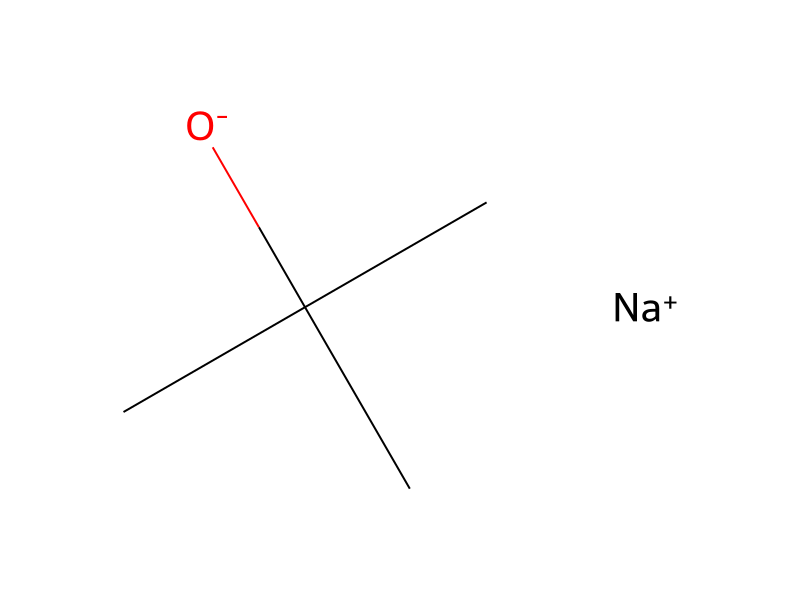
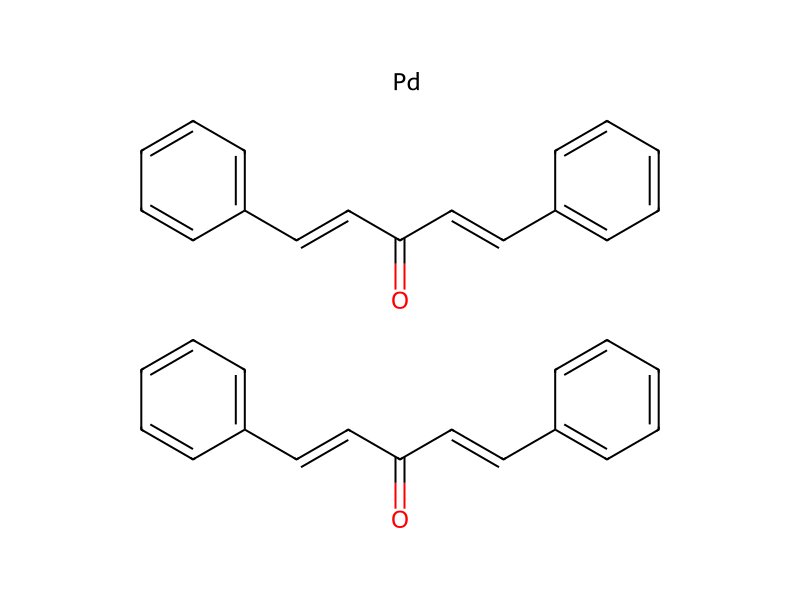
Br[C:2]1[CH:7]=[CH:6][CH:5]=[CH:4][CH:3]=1.[CH3:8][C:9]([CH3:12])([O-:11])[CH3:10].[Na+]>C1C=CC(/C=C/C(/C=C/C2C=CC=CC=2)=O)=CC=1.C1C=CC(/C=C/C(/C=C/C2C=CC=CC=2)=O)=CC=1.[Pd].C1(C)C=CC=CC=1>[C:9]([O:11][C:2]1[CH:7]=[CH:6][CH:5]=[CH:4][CH:3]=1)([CH3:12])([CH3:10])[CH3:8]
ParticipantsProcedureWorkupSources & evidenceReaction notes

Participants

5

Reactant 2

HCID 7961BromobenzeneHCID 23676156Sodium t-butoxide

Product 1

HCID 81179Benzene, (1,1-dimethylethoxy)-Yield 97%

Reagents, catalysts & solvents 2

HCID 6505921(1E,4E)-1,5-diphenylpenta-1,4-dien-3-one; palladiumCatalystHCID 1140TolueneSolvent

Procedure

A typical procedure is given for the reaction of Entry 1 in Table 1. A 4 mL vial was charged with bromobenzene (63 mg, 0.40, mmol), Pd(dba)2 (11.5 mg, 0.02 mmol), Ph5FcP(t-BU)2 (14.2 mg, 0.02 mmol) and sodium t-butoxide (47 mg, 0.48 mmol). Anhydrous toluene (2 mL) was added, and the vial was sealed with a cap containing a PTFE septum and removed from the drybox. The reaction mixture was stirred at room temperature for 23 h. The reaction solution was then adsorbed onto silica gel, and the product was isolated by eluting with ethyl acetate/hexanes (0 to 10% gradient) to give 58 mg (97%) of t-butoxybenzene.

Workup

  1. customA typical procedure is given for the reaction of Entry 1 in Table 1
  2. customthe vial was sealed with a cap
  3. customremoved from the drybox
  4. customthe product was isolated
  5. washby eluting with ethyl acetate/hexanes (0 to 10% gradient)

Sources & evidence

ORD record
ord-21a83f873cee404882f30c06d573c7a3
Source dataset
uspto-grants-2003_05
DOI
10.6084/m9.figshare.5104873.v1
Patent number
US06562989B2

Reaction notes

On this pageParticipantsProcedureWorkupSources & evidenceReaction notes