Reaction equation

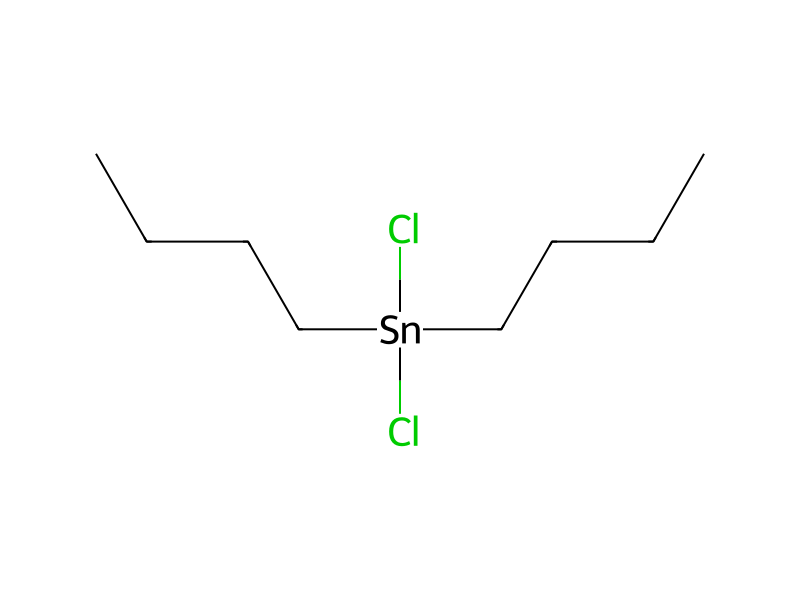
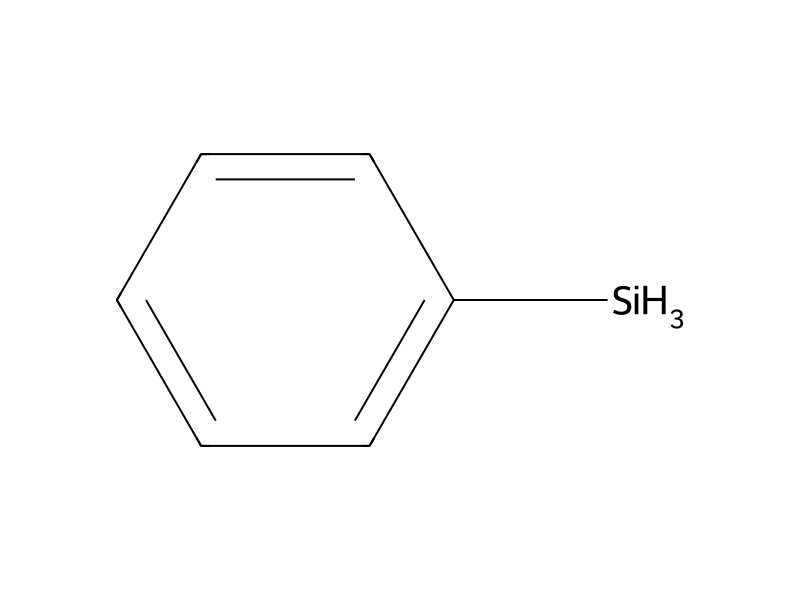
[CH3:1][O:2][C:3]([C:5]1[CH:13]=[C:12]2[C:8]([C:9]([CH:14]=O)=[CH:10][NH:11]2)=[CH:7][CH:6]=1)=[O:4].[O:16]1[CH2:21][CH2:20][N:19]([C:22]2[CH:28]=[CH:27][C:25]([NH2:26])=[CH:24][CH:23]=2)[CH2:18][CH2:17]1.C([Sn](Cl)(Cl)CCCC)CCC.C1([SiH3])C=CC=CC=1>C1COCC1>[CH3:1][O:2][C:3]([C:5]1[CH:13]=[C:12]2[C:8]([C:9]([CH2:14][NH:26][C:25]3[CH:24]=[CH:23][C:22]([N:19]4[CH2:20][CH2:21][O:16][CH2:17][CH2:18]4)=[CH:28][CH:27]=3)=[CH:10][NH:11]2)=[CH:7][CH:6]=1)=[O:4]Participants
6
Reactant 4


Product 1

Reagents, catalysts & solvents 1

Procedure
To a solution of 3-formyl-1H-indole-6-carboxylic acid methyl ester (500 mg, 2.46 mmol), 4-morpholinoaniline (482.3 mg, 2.71 mmol) and dibutyltin dichloride (76 mg, 0.25 mmol) in THF was added phenylsilane (334 μl, 2.71 mmol). The mixture was stirred at room temperature overnight under nitrogen, THF was evaporated off the mixture and the residue was purified by flash chromatography (hexane/EtOAc, 20/80) to afford the title compound 123 (881 mg, 98%). 1H-NMR (DMSO) δ: 8.00 (d, J=1.0 Hz, 1H), 7.70 (d, J=8.2 Hz, 1H); 7.58 (dd, J=8.4, 1.6 Hz, 1H); 7.52 (d, J=2.0 Hz, 1H); 6.70 (d, J=9.0 Hz, 2H); 6.59 (d, J=9.0 Hz, 2H); 5.48 (t, J=5.8 Hz, 1H); 4.31 (d, J=5.7 Hz, 2H); 3.83 (s, 3H); 3.68 (t, J=4.7 Hz, 4H); 2.86 (t, J=4.7 Hz, 4H).
Workup
- customTHF was evaporated off the mixture
- customthe residue was purified by flash chromatography (hexane/EtOAc, 20/80)
Sources & evidence
- ORD record
- ord-a93867ec299d407ea2aeea786393e51a
- Source dataset
- uspto-grants-2012_01
- Patent number
- US08088805B2
Linked notes
Loading…